Shiva Sankeshwar Shares VRL’s 150-Coach Growth Strategy and His Vision for Premium Intercity Travel

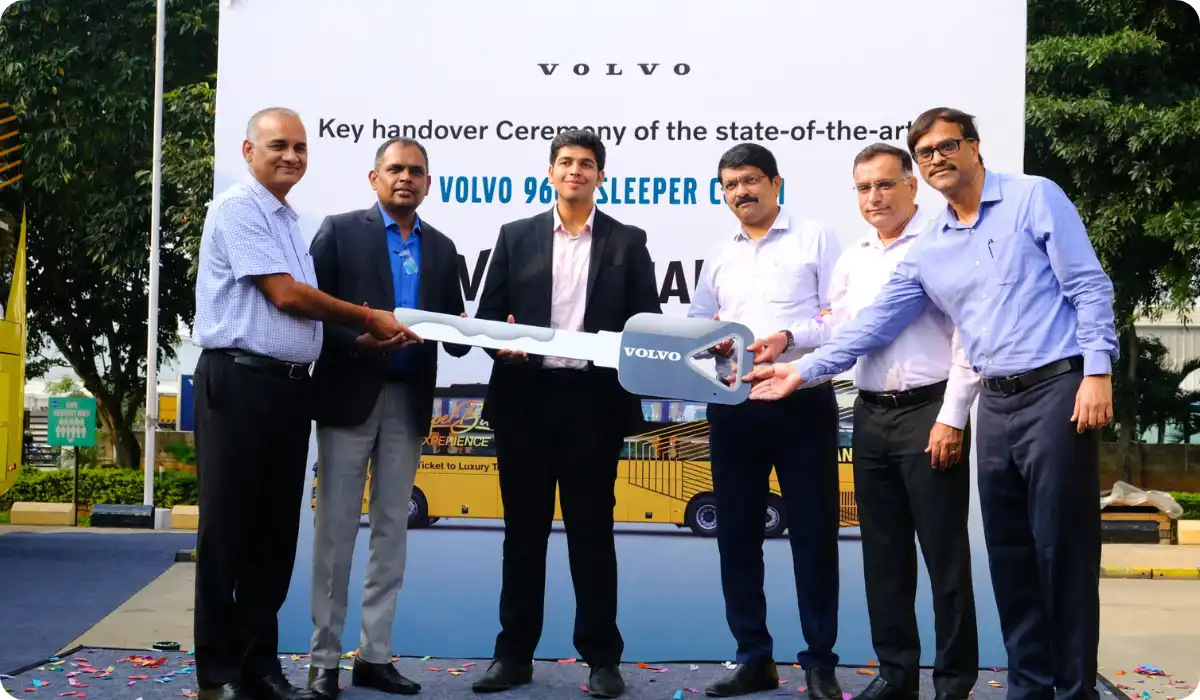
Vijayanand Travels Private Limited (VTPL), part of the VRL Group, is making its biggest-ever investment in coaches with an order for 150 Volvo 9600 luxury sleeper buses. But for Shiva Sankeshwar, Director, Vijayanand Travels, the significance of the order goes well beyond fleet size.
The investment reflects a broader conviction about where India’s intercity bus market is heading.
According to Sankeshwar, passenger expectations have changed materially since the pandemic. Comfort and reliability are no longer occasional premium purchases. Increasingly, they are becoming the baseline for passengers choosing how they travel.
For VRL, that shift is creating an opportunity to expand capacity, enter new states and corridors, and increase frequency on routes where demand is already exceeding available capacity.
“This order is not a one-off decision. It reflects where we see the Indian intercity travel market heading. Passenger expectations are changing, and comfort, reliability and the overall quality of the travel experience are becoming increasingly important in how people choose to travel. We want to be positioned ahead of that shift, with the capacity and product to serve the premium segment as it continues to grow.”
Shiva Sankeshwar, Director, Vijayanand Travels
A Growth Order, Not a Replacement Cycle
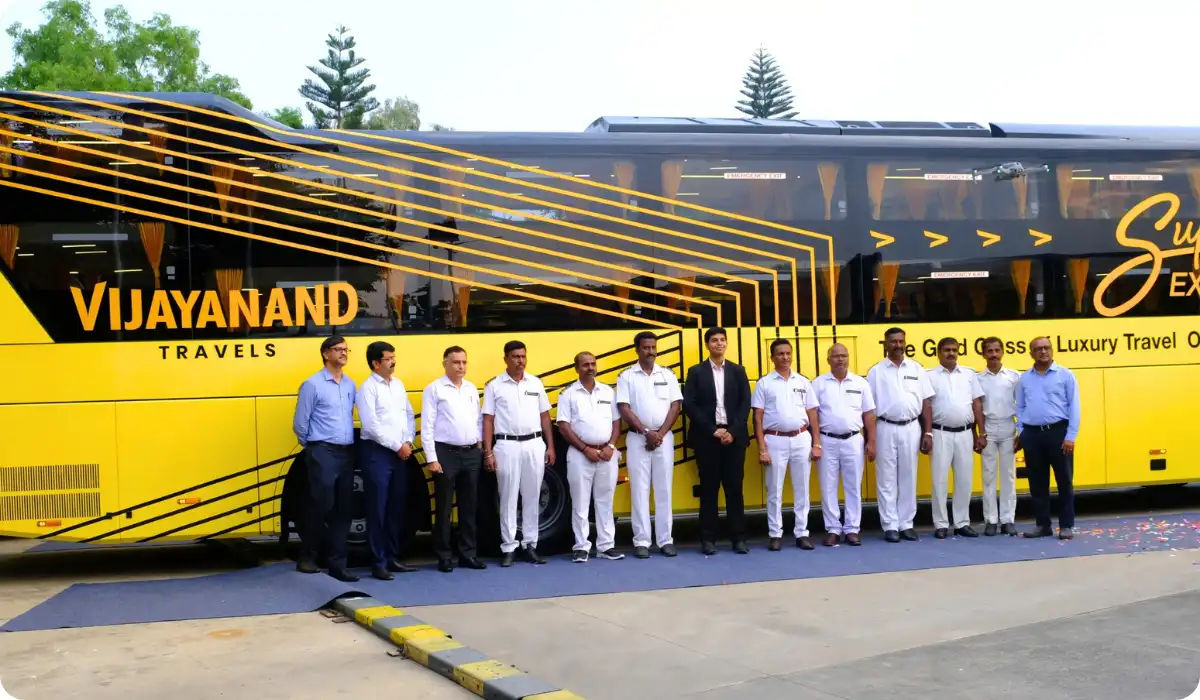
The scale of VRL’s order could easily be viewed as a fleet replacement exercise. Sankeshwar makes it clear that this is not the primary objective.
Only a small portion of the 150 coaches will replace older Volvo buses. The bulk represents additional capacity.
VRL plans to use the new coaches to enter new states, open new corridors and launch additional schedules. The company also intends to increase frequency on existing routes where demand has outgrown its current fleet.
The company is not simply defending an existing premium fleet. It is positioning the segment for another phase of expansion.
Premium Travel Is Becoming Less Seasonal
For years, premium intercity bus travel was closely associated with holiday periods and seasonal demand. That pattern is changing.
Sankeshwar points to the growing importance of long weekends as a consistent demand driver. More importantly, he believes passengers who have experienced a higher standard of travel are increasingly unwilling to return to older expectations.
“Once passengers experience that level of comfort and reliability, their preferences change permanently. They do not want to go back,” he says.
That change in consumer behaviour is central to VRL’s investment thesis.
The premium segment is no longer necessarily about a small group of passengers willing to spend more for an occasional luxury. It is increasingly about customers who see comfort, reliability and service quality as part of the value proposition of the journey itself.
For operators, that creates room to build products around experience rather than simply moving passengers from one city to another.
Why Passengers Are Willing to Pay More
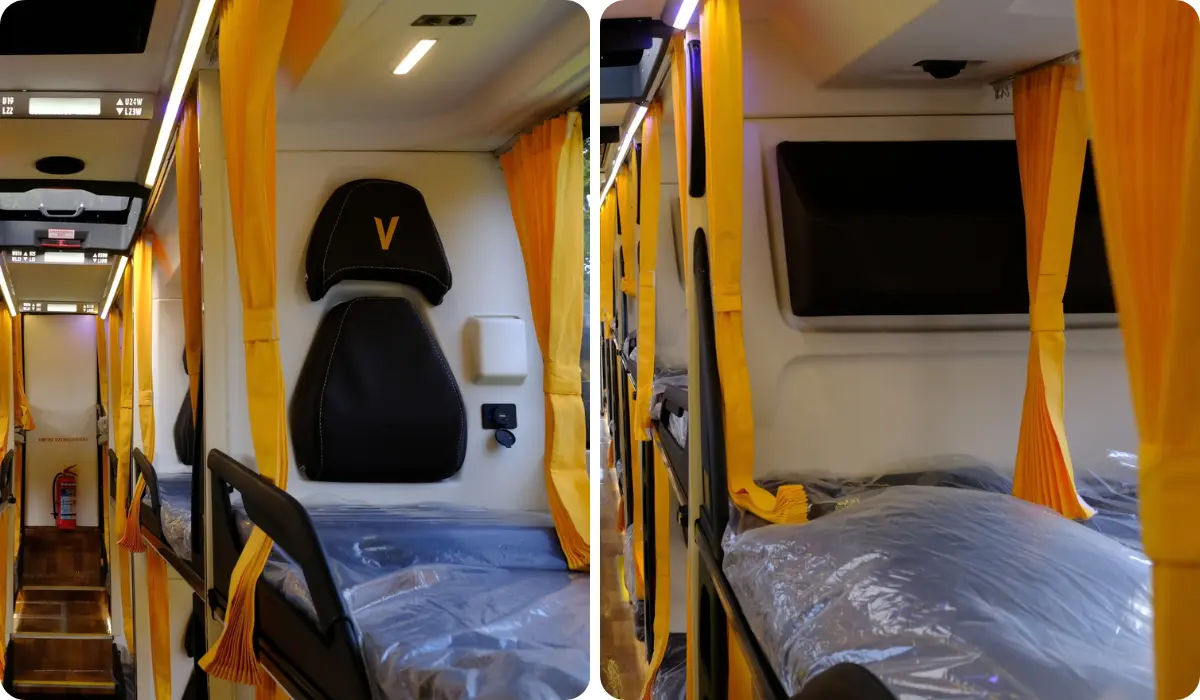
Sankeshwar believes the market is already demonstrating a willingness to pay for better travel.
“Passengers are absolutely willing to pay more for comfort, reliability, and a genuinely premium experience,” he says.
VRL’s 150-coach investment is therefore a direct bet that this willingness will continue to grow.
The underlying opportunity extends beyond the buses themselves. Better highway infrastructure, rising incomes, changing travel preferences and improvements in bus products are all contributing to the development of the premium intercity market.
“The convergence of rising incomes, better highway infrastructure, changing travel preferences and genuinely better bus products will drive the next phase of growth in premium intercity travel. As the overall travel ecosystem improves, passengers are becoming more willing to choose buses for longer journeys and pay for a higher standard of comfort and reliability. That creates a much broader and more sustainable opportunity for operators to build premium intercity networks.”
Shiva Sankeshwar
That convergence could be particularly important for long-distance bus travel, where improvements in vehicles and highways can directly influence passenger perceptions of journey quality.
VRL Wants to Grow in Both Directions
VRL’s expansion strategy is not centred on choosing between existing markets and new ones. It is pursuing both.
The company intends to deepen its presence in markets where it already operates by adding schedules and frequency where demand has exceeded supply. At the same time, it is looking at new states and long-distance corridors.
For a large operator, this creates two different growth levers.
The first is better utilisation of established markets where demand is already visible. The second is network expansion into markets where premium intercity travel has room to develop.
The 150-coach order gives VRL the fleet capacity to pursue both simultaneously.
Regulation, Infrastructure and the Bus Industry’s Perception Problem
Despite the optimism around premium travel, Sankeshwar believes operators continue to face structural challenges. Compliance and safety regulations are among the most significant.
He argues that registration norms and related processes are not always structured in a way that supports operators investing in newer and safer fleets. There is also a broader perception issue around buses.
“Buses are sometimes viewed as a lower-tier or less safe mode of travel, when the reality is different,” he says.
His argument is that buses are an efficient form of mass mobility, moving significantly more people per unit of road space than private vehicles. From that perspective, he believes the sector requires enabling policy support.
Dynamic pricing is another issue he highlights. Sankeshwar views it as an economics-driven practice similar to pricing mechanisms used by airlines and hotels, but says the concept continues to face resistance in parts of the market.
Infrastructure gaps and the transition towards new-energy buses add another layer of complexity.
Electric Buses: VRL Is Watching, But Waiting for Infrastructure
VRL is not dismissing electric or alternative-powertrain buses. The company is watching the technology closely.
The immediate constraint, however, is infrastructure. For long-distance intercity operations, Sankeshwar believes the charging ecosystem is not yet mature enough to support electric buses at scale.
The position is pragmatic rather than resistant to electrification.
“When the charging and infrastructure ecosystem is ready, we intend to be among the first operators to adopt electric mobility at scale. We want to build the capabilities and readiness today so that when the opportunity arrives, we are positioned to lead rather than play catch-up.”
Shiva Sankeshwar
For long-distance operators, this distinction matters. Vehicle technology is only one part of the equation. Charging locations, charging speeds, route planning and operational reliability will determine whether electric coaches can deliver the same network economics and service consistency as established powertrains.
The Next Five Years Will Be About the Full Journey
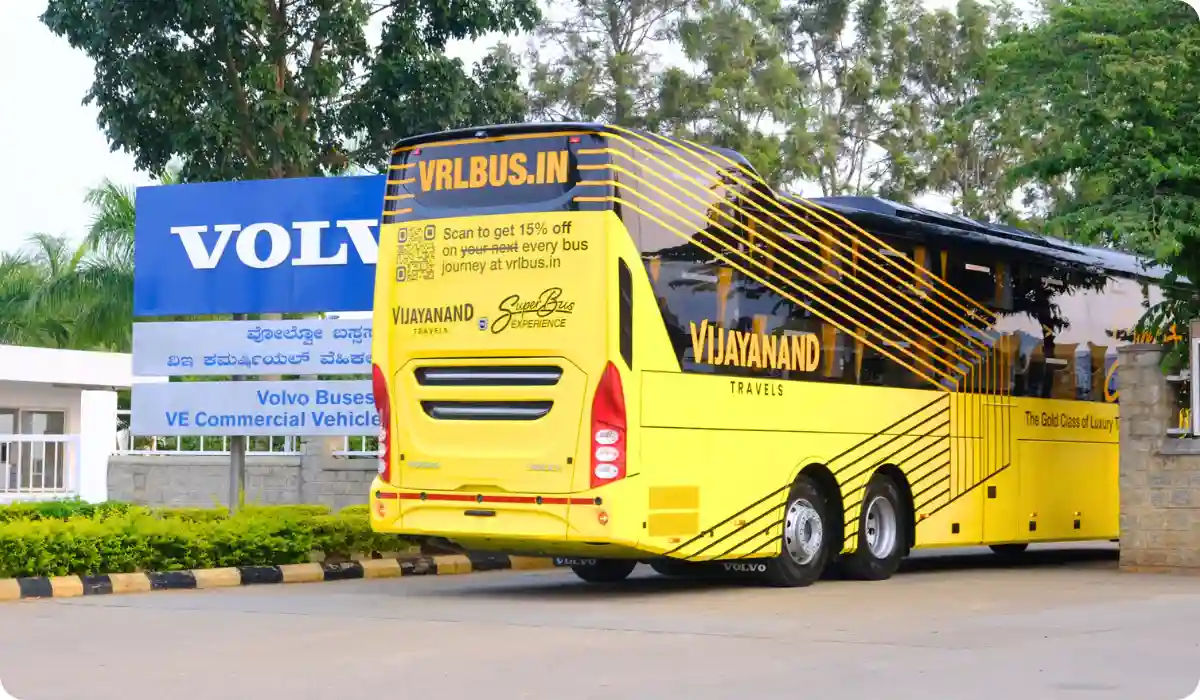
Perhaps the most significant insight from VRL’s strategy is that the future of intercity bus travel may not be defined by the quality of the bus alone.
Sankeshwar believes operators will increasingly need to think about the entire customer journey.
“Success will not just be about the quality of the service itself. It will be about reliability end-to-end and how well an operator understands and serves the customer across the entire journey, not just the hours they spend on the bus.”
That includes what happens before the passenger boards, how communication is handled during the journey and what happens after the trip.
“The next phase of intercity mobility will be defined by operators that build a complete ecosystem around the customer, rather than simply providing a good bus. Reliability, service and the experience across the entire journey will increasingly become the real differentiators.”
Shiva Sankeshwar
In that context, VRL’s 150-coach Volvo 9600 order takes on a significance that extends well beyond fleet expansion. The strategy behind it is broader: build capacity around a passenger who is becoming more demanding, more willing to pay for quality and less willing to compromise once a better travel experience becomes the norm.
For VRL, the next phase of intercity growth is about building a premium mobility ecosystem capable of making passengers choose the bus and continue choosing it.
This interview was originally published in the September 2026 issue of our monthly magazine, The Bus Insider.
Catch the latest Bus Industry updates, Exclusive Interviews, Bus News, and International Bus News on Coach Builders India. Download the latest issue of the The Bus Insider magazine for more insights.