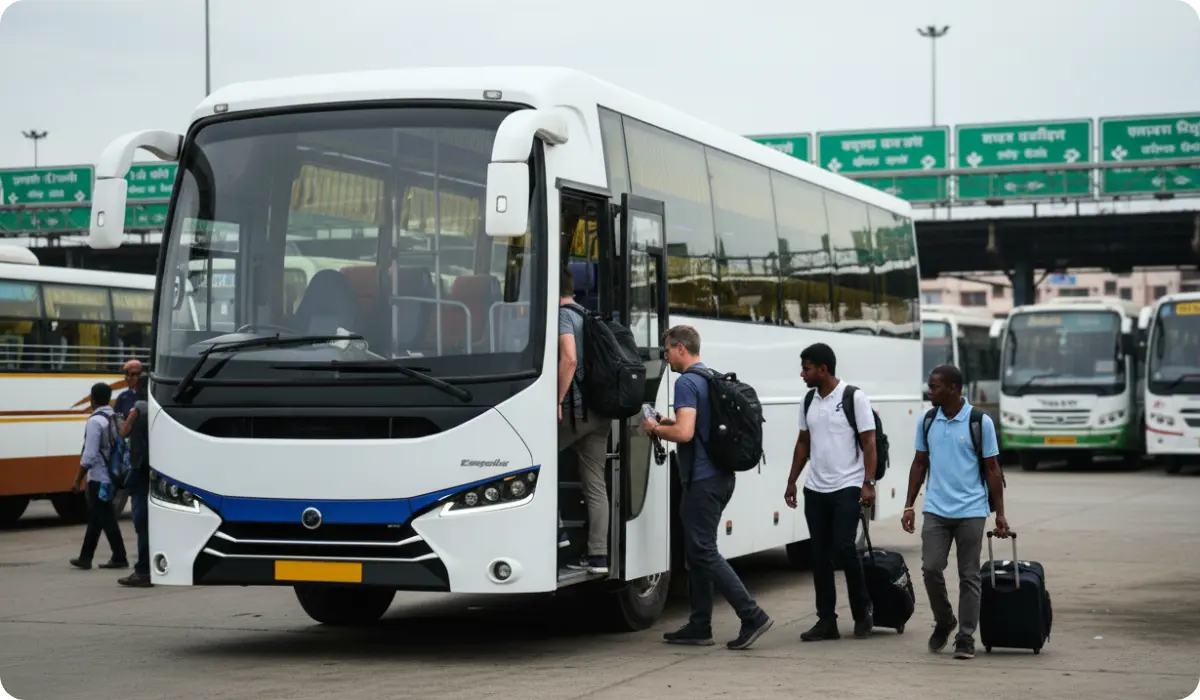
FlixBus Strengthens South India Network With 120-Bus Expansion and New Intercity Routes


FlixBus is entering its third year in South India with plans to add 120 buses across the region, as the company looks to deepen its intercity network across Telangana, Andhra Pradesh and Tamil Nadu.
The expansion follows two years of operations in South India, which began in September 2024 with Bengaluru as the company’s initial regional hub. FlixBus now says more than half of its India network is located in South India, highlighting the region’s growing importance to its wider expansion strategy.
The company plans to introduce new destinations and additional intercity connections, with more than 60 of the 120 planned buses expected to operate to and from Hyderabad.
Building a Denser South India Network
The latest expansion is not only about adding new cities. FlixBus is also increasing capacity across existing corridors.
According to the company, network capacity originating from Bengaluru increased 260% year-on-year in September 2026. Hyderabad recorded a 159% increase, while Chennai’s network capacity doubled over the same period.
The company has also introduced a new Hyderabad-Puducherry connection operated with Volvo sleeper coaches. Further destinations, including Guntur, Coonoor and Ooty, are part of the planned expansion.
“South India has become a significant part of FlixBus India’s journey, and the fact that more than half of our network is now in the region reflects the depth of the opportunity we see here. The next phase is about building density: connecting more cities, increasing capacity and making intercity travel a more accessible and dependable choice for passengers.”
Surya Khurana, Managing Director, FlixBus India
Hyderabad Takes Centre Stage
Hyderabad is emerging as a key hub in FlixBus’s South India network. The company already connects the city with destinations including Bengaluru, Vijayawada, Visakhapatnam, Chennai and Tirupati.
The additional buses will allow FlixBus to strengthen these corridors while creating more connections across neighbouring states.
The company’s South India strategy also relies heavily on partnerships with local bus operators. Rather than building an entirely owned fleet, FlixBus works with regional operators while providing network planning, technology, ticketing and marketing.
This model allows the company to expand its network while bringing local operators into a larger intercity mobility platform.
A Larger Bet on Intercity Travel
The South India expansion forms part of FlixBus’s broader India growth strategy. The company has been steadily expanding its network while exploring electric intercity operations through partnerships with local mobility providers.
Two years after its South India entry, the focus is now shifting from market entry to network depth.
With 120 additional buses planned, new destinations being added and Hyderabad, Bengaluru and Chennai emerging as major anchors, FlixBus is building a larger intercity network across southern India.
For passengers, the next phase will ultimately come down to what matters most on the road: more routes, more capacity and better connectivity between cities.
Catch the latest Bus Industry updates, Exclusive Interviews, Bus News, and International Bus News on Coach Builders India. Download the latest issue of the The Bus Insider magazine for more insights.