Rajasthan Bus Strike 2026: Here’s What Private Bus Operators are Prostesting About

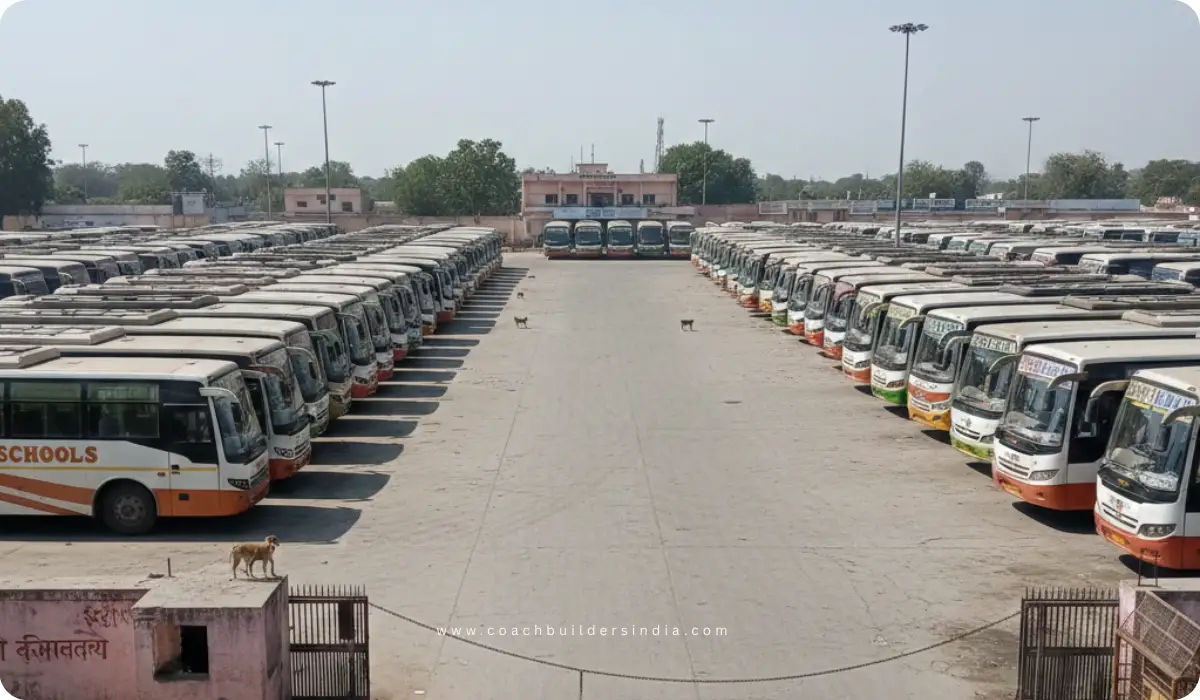
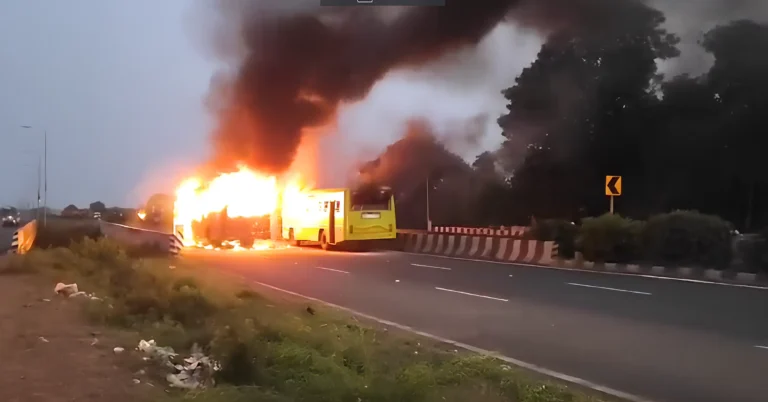
The Rajasthan bus strike today has brought transport services across the state to a near standstill, with nearly 35,000 private buses going off the roads from midnight on February 23.
The private bus operators of Rajasthan called the indefinite strike to protest against intensified enforcement drives and the implementation of new bus body rules by the Transport Department.
The impact of the private bus strike in Rajasthan was visible in cities like Jaipur, Sikar, Jhunjhunu and Udaipur, where passengers were left stranded at bus stands and railway stations.
However, Jodhpur remained largely unaffected, with private buses continuing to operate normally.
Why Are Bus Operators of Rajasthan Protesting?
The Chakka Jam in Rajasthan has been led by the All Rajasthan Contract Carriage Bus Operators Association. Its president, Rajendra Sharma, said that the discussions held at the Secretariat failed to resolve their demands about the harassment they are subjected to by transport authorities.
Bus operators allege that:
- Registration Certificates (RCs) are being suspended during routine checks
- Heavy fines of up to ₹1 lakh are being imposed
- AIS 153 mandates are being applied to older buses
- Passengers are being forced to deboard mid-route during inspections
A key flashpoint is the enforcement of new bus body rules, particularly restrictions on rooftop luggage carriers. Operators argue that luggage racks are essential for rural and long-distance travel, where passengers frequently carry bulky goods.
Olectra to Deliver 1,085 Electric Buses to TGSRTC Under PM E-Drive Programme
Taxi Operators Join Private Bus Strike in Rajasthan
Taxi unions have extended support to the private bus strike in Rajasthan, intensifying commuter disruption. In Jaipur, taxis were unavailable at major transit points, including the Roadways bus stand and railway station.
The absence of private buses and taxis has led to a surge in passenger load on Rajasthan Roadways buses, creating overcrowding and long waiting times.
Over 15 Lakh Passengers Affected
According to the bus operators of Rajasthan, nearly 35,000–40,000 private buses operate daily in the state, transporting over 1.5 million passengers. With services suspended, lakhs of commuters are facing travel uncertainty.
Passengers travelling to religious events such as the Khatu Shyam fair have reportedly been stranded in multiple cities. Online bookings for private buses have also been suspended for several days.
Operators have warned that if their demands are not met, they may escalate the Rajasthan bus strike by blocking highways and staging road protests.
Political and Interstate Impact
Rajendra Sharma stated that buses will not be made available for the Prime Minister’s rally scheduled in Ajmer later this month, indicating the wider political implications of the strike.
Operators from neighbouring states such as Gujarat, Madhya Pradesh, Maharashtra, Delhi and Haryana have also reportedly expressed solidarity and may suspend services to Rajasthan.
Meanwhile, Deputy Chief Minister and Transport Minister Prem Chand Bairwa has urged operators to resolve the issue through dialogue rather than prolonged disruption.
Neuton Electric Bus Arrives in Mangaluru, Marks Entry of Private E-Bus in City
Key Demands of the Bus Operators
The bus operators of Rajasthan have placed the following demands before the government:
- No suspension of RCs during routine enforcement
- Withdrawal of alleged incorrect challans
- Relaxation in applying AIS 153 to older vehicles
- No mid-route offloading of passengers
- Approval to reinstall rooftop luggage carriers under revised norms
Operators argue that the new bus body rules and strict enforcement measures are being implemented without adequate consultation.
Despite the widespread disruption, the private bus strike in Rajasthan had no visible impact in Jodhpur on Tuesday morning. Services continued as usual, making it the only major city largely unaffected by the agitation.
What Is AIS 153?
A major point of contention in the private bus strike in Rajasthan is the enforcement of the new AIS 153 bus body codes that have been mandated in India from September 2025.
Bus operators argue that the provision is being applied to older vehicles that were built under previous regulatory standards.
They claim that structural norms and body specifications have changed over time, and retroactive enforcement of new bus body rules is resulting in heavy penalties and suspension of Registration Certificates (RCs).
Operators have demanded that AIS 153 should not be applied to buses manufactured before the amendment and that enforcement should consider legacy design approvals.
The dispute over AIS 153 and the implementation of new bus body rules remains central to the Rajasthan bus strike, with further negotiations expected between the government and bus operators of Rajasthan.
No Bus Fare Hike in 2026: Big Relief for BMTC and KSRTC Passengers in Karnataka
Online Bookings Suspended Till February 28
As part of the ongoing Rajasthan bus strike, private operators have suspended online ticket bookings for travel between February 23 and February 28.
The All Rajasthan Contract Carriage Bus Operators Association stated that if any bookings are made through online platforms after the strike commences, the responsibility will lie with the respective booking companies.
The suspension of reservations has further added to passenger uncertainty, particularly for intercity and interstate travellers who depend heavily on private bus services.
Catch the latest Bus Industry updates, Exclusive Interviews, Bus News, and International Bus News on Coach Builders India. Download the latest issue of the The Bus Insider magazine for more insights.