Prawaas 5.0: INALCO on Lightweight Materials and the Future of India’s Bus Industry

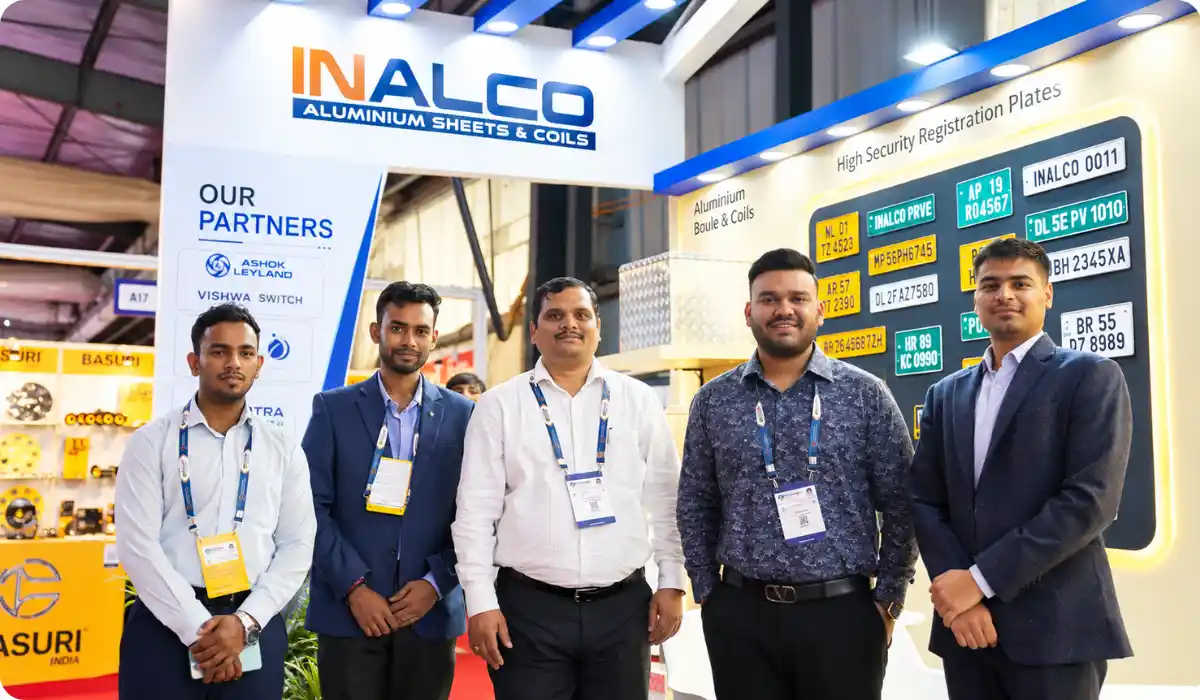
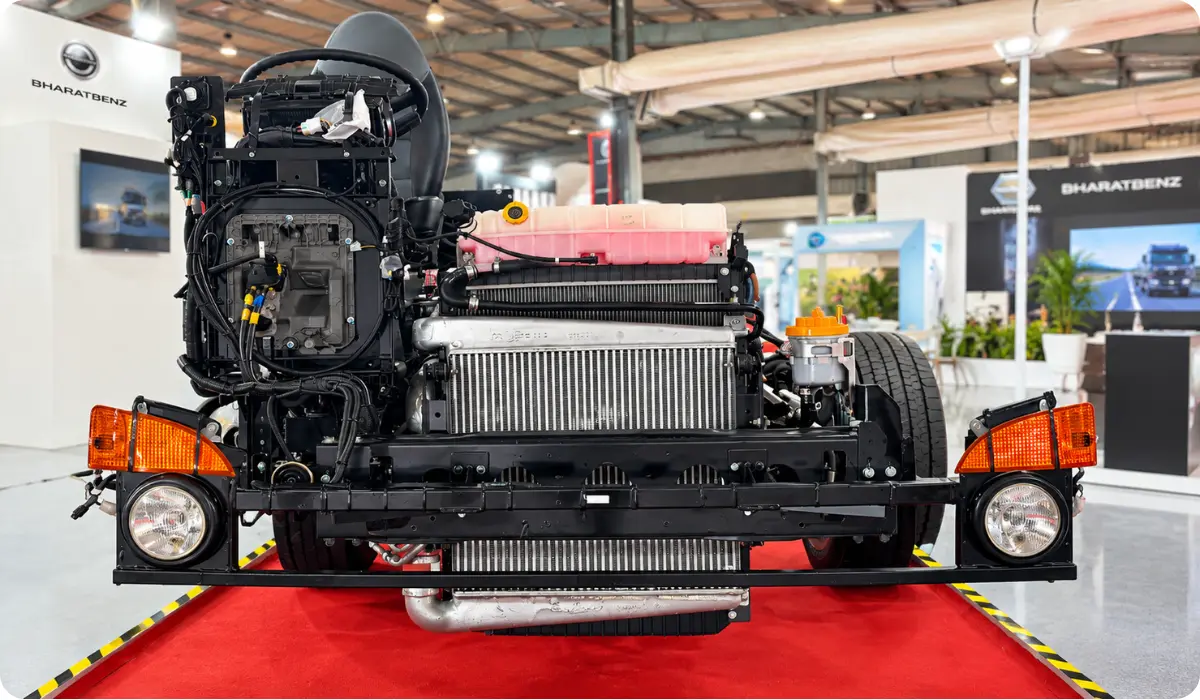
Prawaas 5.0 was more than a showcase of new buses, technologies and products. It offered a useful view of the direction in which India’s bus and coach industry is moving.
With OEMs, bus body builders, fleet operators, component manufacturers and technology providers coming together, the event highlighted an important reality: the next phase of growth in India’s bus industry will require closer collaboration across the entire value chain.
For companies such as INALCO, the conversations at Prawaas were as important as the products on display.
Prawaas 5.0 Brings the Bus Ecosystem Together
One of the biggest strengths of Prawaas is its ability to bring different parts of the bus industry into one forum.
For INALCO, the exhibition provided an opportunity to engage with OEMs, bus body builders, fleet operators and industry partners while understanding how their requirements are changing.
One area that generated particular interest was lightweight aluminium.
The conversations reflected a wider shift in how manufacturers are evaluating materials. Cost remains important, but factors such as weight, durability, corrosion resistance, maintenance and lifecycle value are increasingly becoming part of the decision-making process.
Lightweight Materials Gain Importance
India’s bus industry is undergoing a structural transformation.
Electric buses are expanding, passenger expectations are rising and vehicle manufacturers are facing increasing pressure to improve efficiency while maintaining safety and comfort.
This makes vehicle weight an increasingly important consideration.
Aluminium can offer weight-saving opportunities while also providing corrosion resistance and durability. In electric buses, reducing unnecessary weight can also contribute to energy efficiency and potentially improve vehicle utilisation.
For conventional buses, lightweight materials can similarly support efficiency and help reduce maintenance requirements over the vehicle’s operating life.
The role of aluminium is therefore moving beyond a simple material substitution exercise. It is increasingly connected to vehicle engineering, lifecycle economics and product quality.
Electric Mobility Is Changing Material Requirements
The growth of electric buses is also changing the way manufacturers think about vehicle construction.
Electric buses carry significant battery weight, making the management of overall vehicle mass increasingly important. At the same time, manufacturers must balance structural requirements, passenger capacity, safety, durability and range.
This creates opportunities for material suppliers to work more closely with OEMs and bus body builders during the vehicle development process.
Material selection is no longer something that happens in isolation. It increasingly needs to be considered alongside vehicle architecture, manufacturing processes and operating requirements.
Collaboration Will Become More Important
The industry’s challenges cannot be addressed by any single stakeholder.
OEMs bring vehicle platforms and engineering capabilities. Bus body builders translate those platforms into application-specific vehicles. Component suppliers contribute specialised technologies and materials, while operators provide practical insight into real-world operating conditions.
Bringing these perspectives together can help accelerate product development and reduce the gap between engineering objectives and operational requirements.
Prawaas provides an important platform for this interaction because face-to-face discussions often reveal requirements and challenges that are difficult to capture through conventional business communication.
Material Innovation Must Follow the Market
For material suppliers, the changing bus industry also means that innovation cannot stop at introducing new products.
At INALCO, the focus remains on developing and supplying aluminium solutions including plain sheets, chequered sheets, diamond-pattern products and colour-coated sheets.
The company’s objective is to provide materials that support the evolving requirements of bus manufacturers while maintaining consistency, reliability and quality.
As buses become lighter, more efficient and increasingly electrified, material suppliers will need to understand the complete vehicle application rather than simply supplying individual components.
The Road Ahead for India’s Bus Industry
Prawaas 5.0 demonstrated the confidence and momentum currently visible across India’s bus and coach sector. But the next stage of growth will require more than new vehicle launches or individual technology breakthroughs.
It will require OEMs, bus body builders, operators, component manufacturers and technology companies to work together on the challenges of safety, efficiency, electrification, durability and passenger experience.
The conversations at Prawaas offered an indication of that direction. For India’s bus industry, the future will be shaped not only by what individual companies develop, but also by how effectively the wider ecosystem works together to bring those solutions to the road.
Catch the latest Bus Industry updates, Exclusive Interviews, Bus News, and International Bus News on Coach Builders India. Download the latest issue of the The Bus Insider magazine for more insights.