The Electric Comeback: How KPN Travels Is Rebuilding for a New Era

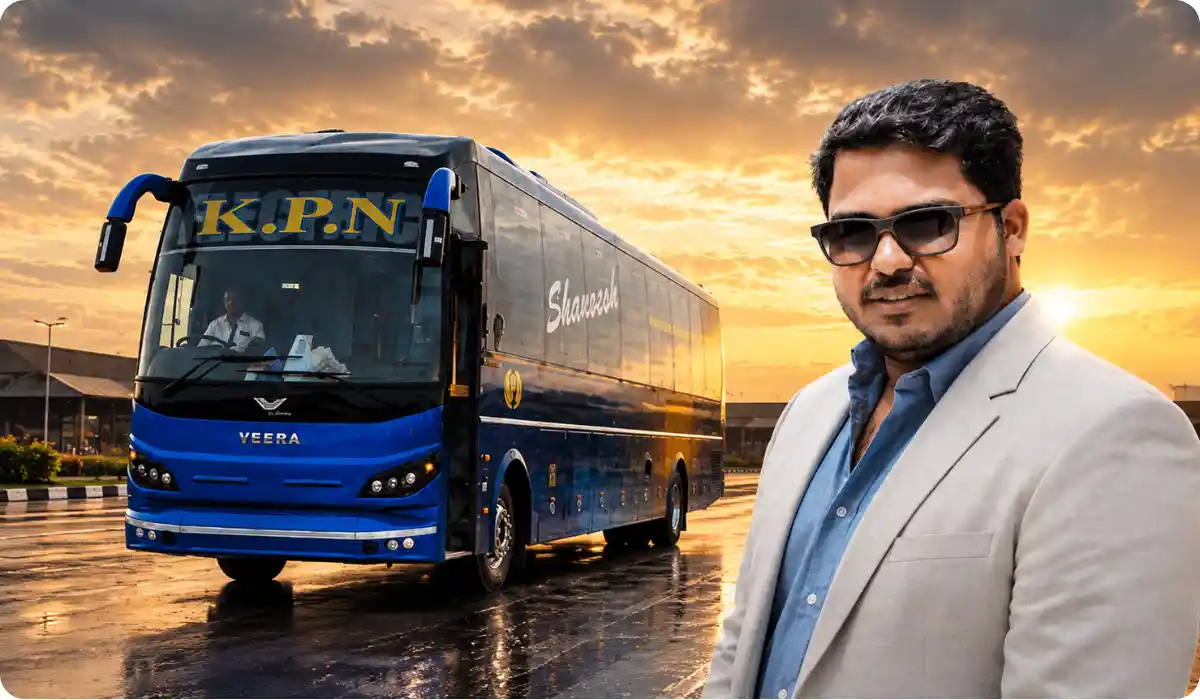
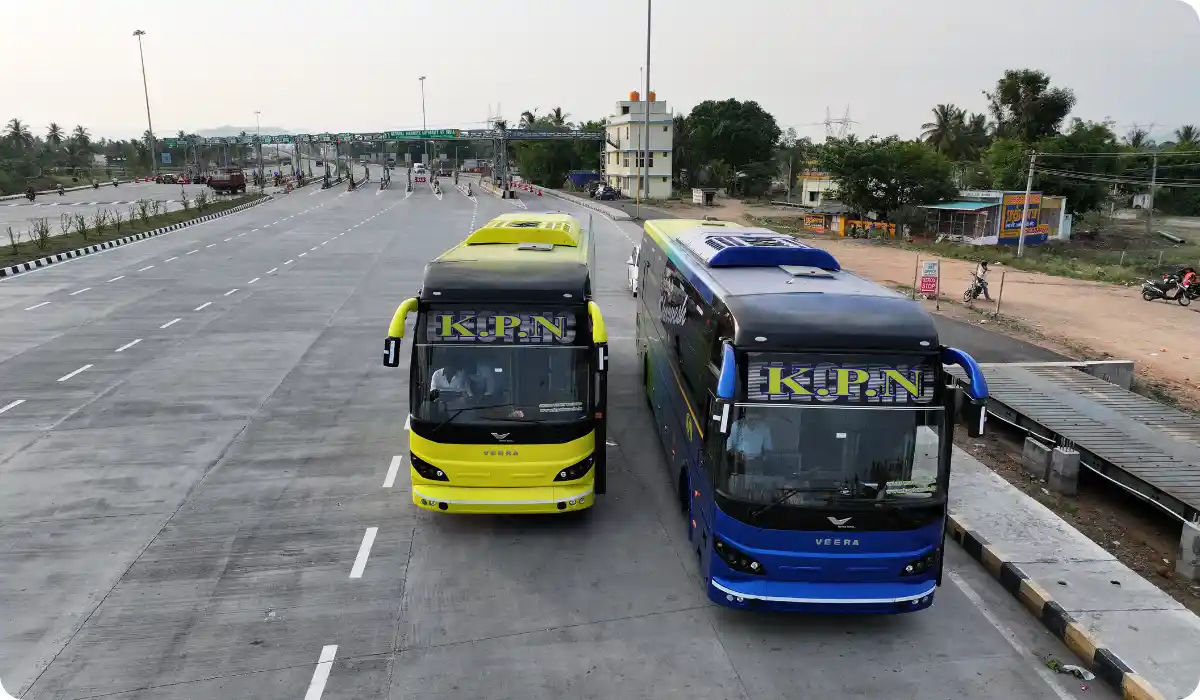
For more than five decades, KPN Travels built its reputation on scale, reliability and premium intercity travel across South India. Now, the operator is attempting to rebuild that legacy around electric mobility.
Founded in Salem in 1973 by KP Natarajan, KPN Travels grew from a regional bus operator into one of South India’s best-known private intercity brands. By the early 2000s, its fleet had reached nearly 250 buses, carrying around 11,800 passengers every day across Tamil Nadu, Karnataka, Kerala, Telangana and Puducherry.
The pandemic changed that trajectory.
Rather than return to diesel operations at a smaller scale, KPN Travels chose to rethink the business entirely. Since January 2025, the company has ceased diesel bus operations and begun rebuilding its network with electric buses.
For KPN, this is not simply an electric bus fleet transition. It is a broader business reset.
Rebuilding KPN Travels Around Electric Mobility
R Sarvesh, representing the third generation of the family, says the economics of returning to diesel operations did not make sense for the scale KPN wanted to achieve.
The company therefore chose to pause, restructure and prepare for a larger comeback based on electric mobility. The strategy, however, comes with a major requirement: infrastructure.
KPN Travels believes large-scale intercity electric bus operations cannot depend entirely on third-party charging networks. Dedicated charging hubs at key origin and destination points are essential for controlling scheduling, reliability and fleet utilisation.
The company has consequently begun building its own charging ecosystem.
Charging stations rated between 360 kW and 420 kW are already operational in Bengaluru, Salem and Coimbatore. Additional infrastructure is planned across Chennai, Trichy, Madurai, Tirunelveli, Ulundurpet, Mettupalayam, Puducherry and Kumbakonam.
Why Intercity Electric Bus Adoption Remains Difficult
KPN’s experience also highlights some of the barriers preventing faster electric bus adoption among private operators.
The upfront cost of electric buses remains significantly higher than diesel vehicles. More importantly, operators face uncertainty around residual value because an established resale market for used electric buses has yet to develop.
Financing is another challenge. According to Sarvesh, access to conventional bank financing remains limited, leaving some operators dependent on NBFCs at higher interest rates.
Infrastructure adds another layer of investment.
There is also a shortage of proven electric coach platforms, particularly in the premium 13.5-metre segment used for long-distance intercity operations.
Why KPN Chose the Veera Vahana MahaSamrat
For its electric operations, KPN Travels selected the Veera Vahana MahaSamrat 13.5-metre platform.
The decision was influenced partly by KPN’s longstanding relationship with Veera Vahana and its team. But product capability was equally important.
According to Sarvesh, the market offered limited options in the 13.5-metre category, particularly platforms capable of supporting hybrid seating and sleeper configurations for long-distance operations.
The MahaSamrat also had an operating track record, with vehicles already accumulating high running kilometres. KPN further considered the battery ecosystem supplied by Exponent Energy, including its warranty structure.
For KPN, choosing a proven platform was particularly important in a segment where electric long-distance coaches are still relatively limited.
A New Chapter for KPN Travels
KPN Travels is effectively attempting to recreate the scale of its earlier business without recreating its earlier operating model.
Its strategy combines electric coaches, owned charging infrastructure and a gradual rebuilding of its South Indian network.
The larger question is whether this model can eventually deliver the scale, network strength and operational consistency that defined KPN Travels during its diesel era. For one of South India’s longest-standing private bus operators, the comeback is therefore about more than returning to the highway. It is about rebuilding the business around a fundamentally different mobility model.
Catch the latest Bus Industry updates, Exclusive Interviews, Bus News, and International Bus News on Coach Builders India. Download the latest issue of the The Bus Insider magazine for more insights.