zingbus Expands Electric Bus Push, Targets 1,000 Buses by 2030

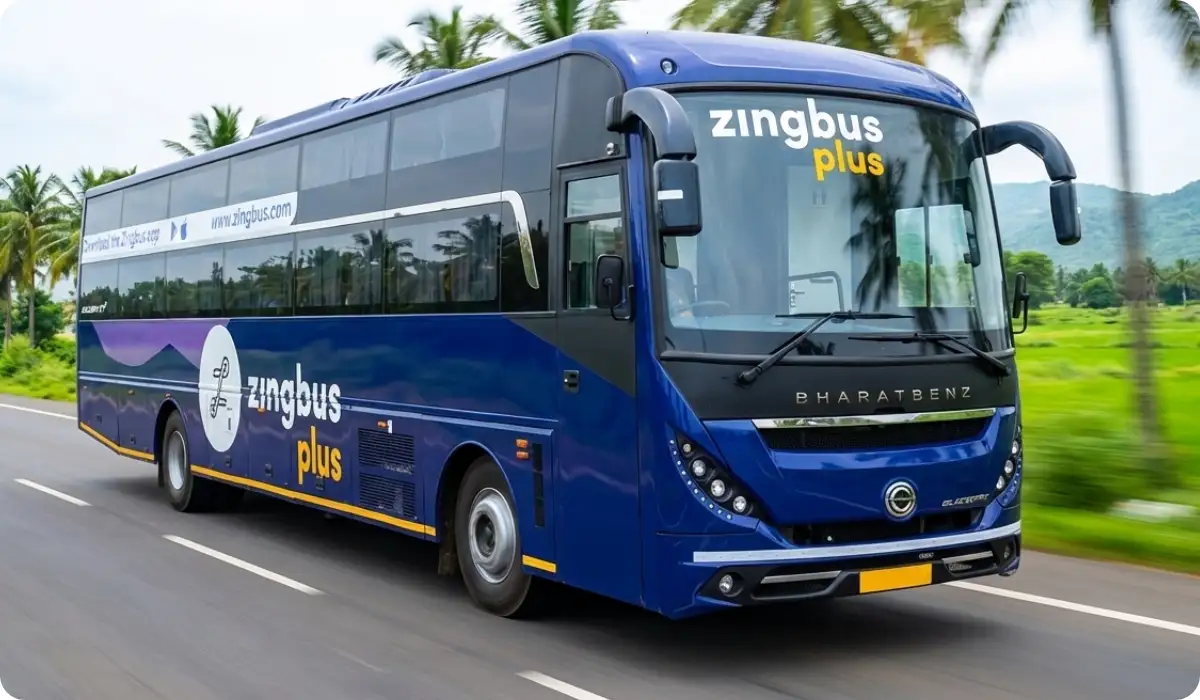
India’s intercity electric bus market is moving from pilot projects towards regular commercial operations, and zingbus is now looking to scale its presence in the segment.
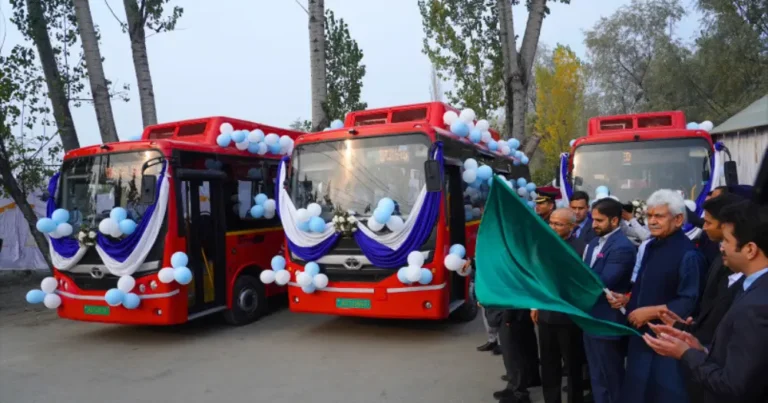
The intercity mobility platform plans to introduce more than 50 electric buses during 2026 and has set a target of reaching 1,000 electric buses by 2030. The expansion follows a series of partnerships with regional bus operators and comes as zingbus reports more than 17.5 lakh cumulative electric kilometres across its existing operations.
zingbus Moves Beyond Pilot-Stage EV Operations
The latest operational figures give a clearer picture of zingbus’ electric bus strategy.
The company says its electric fleet has completed 17,53,380 kilometres, displacing an estimated 5,00,966 litres of diesel. Based on standard diesel combustion metrics, zingbus estimates that this represents around 1,300 tonnes of avoided tailpipe CO₂ emissions.
The company also reports that each electric bus is covering an average of around 550 km per day, with the electric fleet carrying nearly 675 passengers daily. These figures are company-reported operational data.
That utilisation is important because the economics of electric intercity buses depend not only on vehicle acquisition but also on how effectively buses can be deployed across long-distance routes.
50+ Electric Buses Planned in 2026
zingbus announced a broader expansion at Prawaas 5.0 in July, signing MoUs with 50 bus operators for the deployment of more than 200 zingbus Maxx and electric buses over the following 12 months.
The planned expansion covers markets across South and West India, including Bengaluru, Hyderabad, Chennai, Pune, Mumbai, and Goa, with final route-level deployment depending on operational planning. The company said more than 50 of the planned buses would be electric during 2026.
The model also marks a shift in how zingbus is building its network. Rather than relying entirely on its own fleet, the company is combining its technology and digital distribution platform with regional bus operators’ operating capabilities.
Building the Electric Intercity Ecosystem
For zingbus, electrification is not limited to adding electric buses.
Its electric mobility strategy also involves charging infrastructure, technology, route planning and partnerships designed to make EV operations viable for private operators. The company has positioned this approach around giving operators access to technology, demand visibility and operational support.
Its current electric services include Delhi–Dehradun and Delhi–Amritsar, while zingbus has identified additional corridors for future expansion based on passenger demand and charging infrastructure feasibility.
The company’s operator platform also currently promotes an EV model with end-to-end charging support and OEM partnerships.
From Electric Kilometres to a Larger Fleet
The immediate focus is therefore on utilisation as much as fleet size.
Crossing 17.5 lakh electric kilometres gives zingbus an operating base from which to expand, while the 50+ electric buses planned for 2026 represent the next stage of that growth. The longer-term target of 1,000 electric buses by 2030 would take the company considerably beyond its current electric footprint.
For India’s private intercity bus industry, the bigger development is the emergence of models that combine electric buses with route-level demand, charging infrastructure and established regional operators. zingbus is attempting to build its expansion around that combination rather than treating electrification as a standalone fleet transition.
Catch the latest Bus Industry updates, Exclusive Interviews, Bus News, and International Bus News on Coach Builders India. Download the latest issue of the The Bus Insider magazine for more insights.