E-Bus Localisation Rules Take Effect: India’s Coach Supply Chain Faces A New Test


India’s electric-bus industry has entered a new phase. From September 1, 2026, stricter localisation requirements for traction motors used in eligible electric buses and trucks have taken effect under the PM E-DRIVE scheme.
The change is bigger than a compliance update. It signals that India’s electric-bus push is moving from simply putting more buses on the road to making more of the technology behind those buses in India.
Under the Phased Manufacturing Programme (PMP), eligible e-bus and e-truck makers must undertake specified traction-motor manufacturing and assembly processes in India. These include magnet fitment, rotor and stator assembly, shaft and bearing fitment, motor enclosure fitment, and connector and cable fitment.
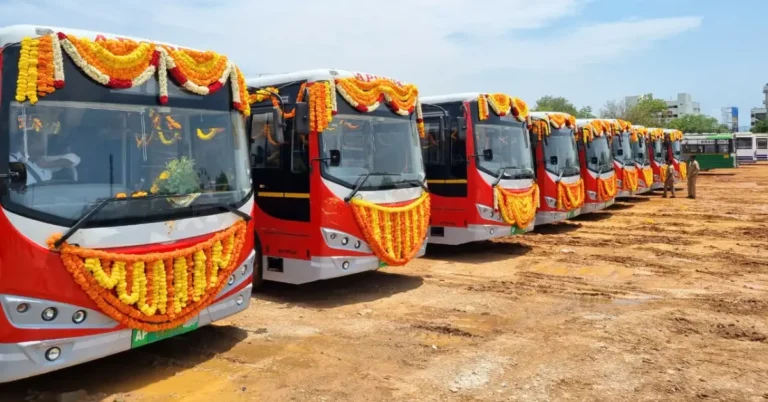
The timing is significant because India is simultaneously building a large electric-bus market. PM E-DRIVE has allocated ₹4,391 crore for 14,028 e-buses. As of March 2026, 13,800 buses had been allocated across seven cities, while tenders for the first 10,900 buses had been concluded.
For the bus industry, this puts the spotlight on a part of the vehicle that passengers rarely see: the electric powertrain.
From Bus Manufacturing To Powertrain Manufacturing
For years, localisation in India’s automotive industry has largely focused on increasing domestic production of vehicle components and assemblies. The latest e-bus rules take that push deeper into the electric powertrain.
A traction motor converts electrical energy into the mechanical power that moves the bus. Its production involves several critical components and manufacturing processes.
This means e-bus manufacturers and their suppliers now face a greater need for domestic motor manufacturing capability.
The challenge is that localisation is taking place while the global supply chain for rare-earth permanent magnets remains uncertain.
SIAM has asked the Ministry of Heavy Industries to extend the localisation deadline to April 1, 2027, citing ongoing disruptions in the supply of rare-earth magnets and export restrictions on materials such as dysprosium and terbium. As of the latest reported position before the September 1 deadline, the request had not been approved.
The Bigger Question: Can India Localise At Scale?
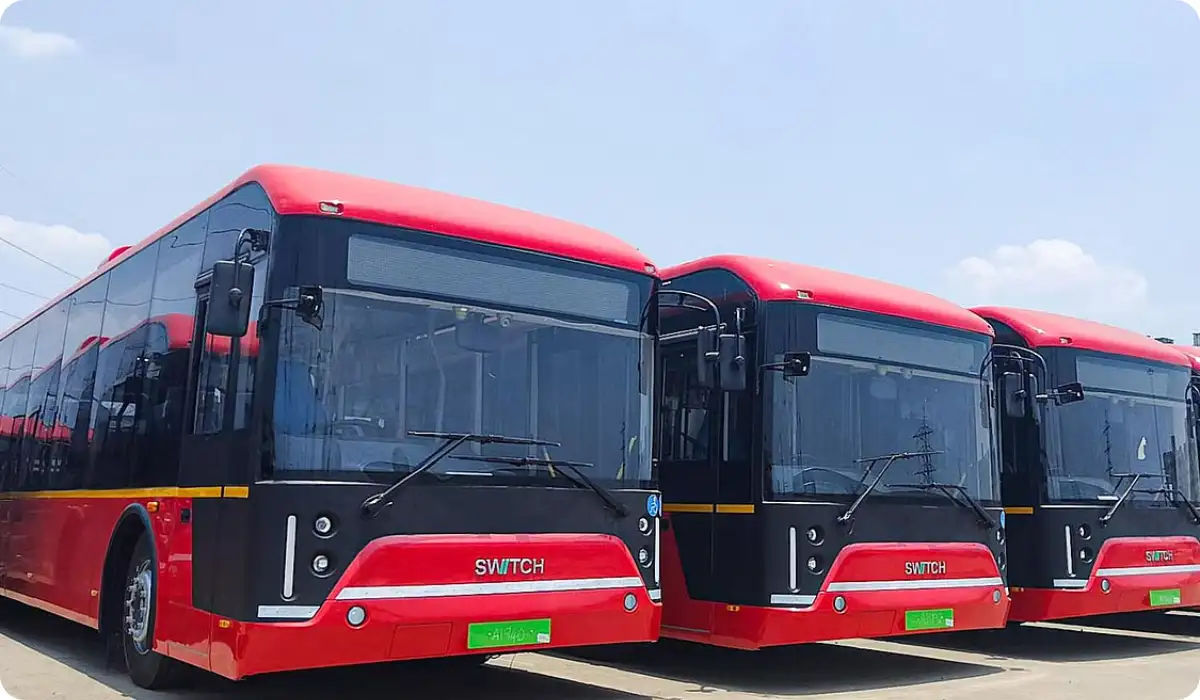
This is where the development becomes important for India’s coach-building and bus manufacturing ecosystem.
The country is not short of demand. The government has already created a pipeline for thousands of electric buses. The question is whether the component ecosystem can expand at the same pace.
India is also working further upstream. The government has approved a ₹ 7,280-crore scheme for domestic manufacturing of sintered rare-earth permanent magnets, aimed at creating an integrated production capacity of 6,000 tonnes per annum.
Together, these developments point towards a broader transition:
E-bus assembly → component localisation → motor localisation → magnet manufacturing.
The objective is not simply to assemble more electric buses in India. It is to capture a larger share of the value created by every electric bus manufactured here.
For coach builders, OEMs and component suppliers, the September 1 deadline therefore marks an important shift. The next phase of India’s e-bus growth will increasingly be measured not only by how many electric buses are built, but by how much of the technology inside them is made in India.
Catch the latest Bus Industry updates, Exclusive Interviews, Bus News, and International Bus News on Coach Builders India. Download the latest issue of the The Bus Insider magazine for more insights.