New Sleeper Bus Rules in India: Mandatory Safety Norms, Deadlines, and Compliance Guide for Operators

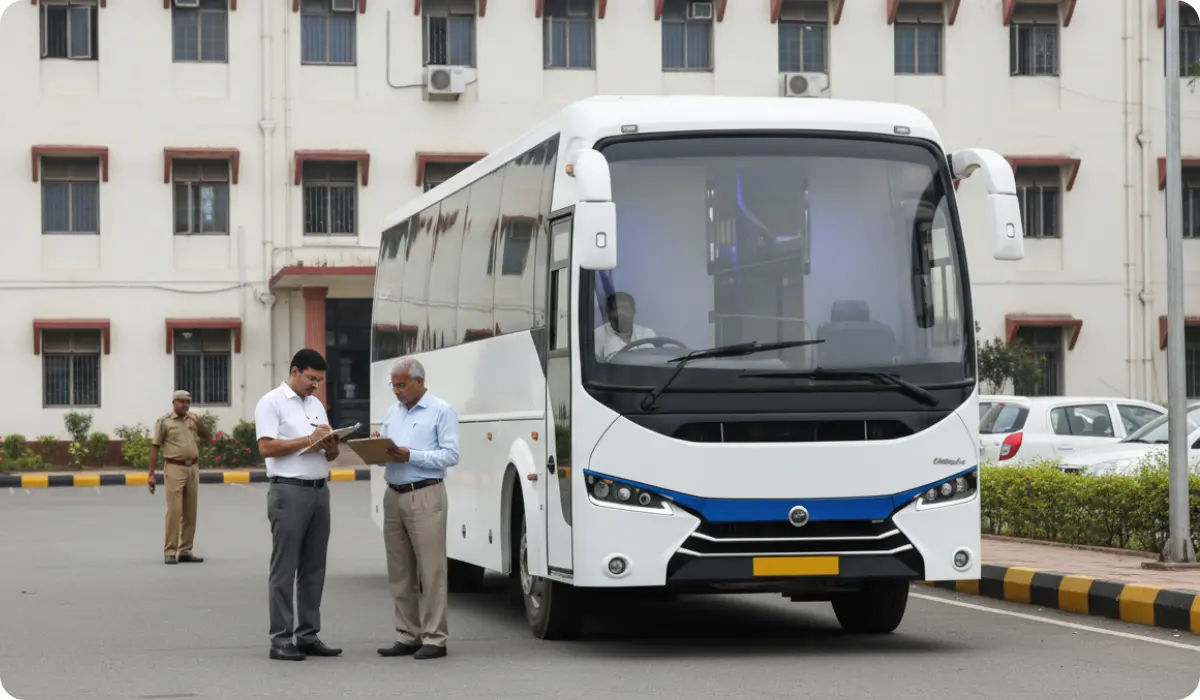
The new sleeper bus rules introduced following directions from the National Human Rights Commission (NHRC) have significantly tightened safety and design requirements for sleeper coach buses operating across India.
These rules aim to address long-standing safety gaps in sleeper buses, especially after a series of fatal fire accidents that highlighted poor emergency preparedness, unsafe bus body designs, and delayed fire detection.
For bus operators, body builders, and fleet owners, compliance with the new sleeper bus rules is now mandatory, with strict enforcement and penalties for violations.
Why New Sleeper Bus Rules Were Introduced
These rules follow recent enforcement orders issued by state transport departments after directions from the NHRC.
The NHRC stepped in after observing repeated fatal accidents involving sleeper buses, many of which resulted in high passenger casualties. In recent incidents, nearly 165 lives were lost, raising serious concerns about passenger safety and the right to life.
The Commission noted several recurring issues:
- Poorly designed emergency exits
- Enclosed and partitioned driver cabins
- Unsafe sleeper berth layouts
- Delayed detection and response to fires
- Use of non-compliant bus body constructions
Taking cognisance of these lapses, NHRC Member Priyank Kanoongo issued directions to all Chief Secretaries of states, calling for immediate action against sleeper buses operating in violation of safety norms.
Who Must Follow the New Sleeper Bus Rules
The new sleeper bus rules apply to:
- Sleeper bus operators
- Fleet owners
- Bus body builders
- Vehicle registering authorities
- Transport officials responsible for approvals and inspections
Both existing sleeper buses already in operation and new sleeper buses seeking registration are covered under these rules, though compliance requirements differ slightly.
Compliance Timeline Under the New Sleeper Bus Rules
Transport authorities have granted 30 days to bus operators to upgrade existing sleeper buses and bring them into full compliance with the new sleeper bus rules.
After the 30-day period:
- Non-compliant sleeper buses can be stopped immediately
- Registrations and permits may be cancelled
- Legal and administrative action can be initiated
Operators are strongly advised to conduct immediate safety audits of their fleets.
Mandatory Safety Requirements Under New Sleeper Bus Rules
State transport departments have been instructed to ensure that all sleeper buses strictly comply with the following safety requirements.
AIS Bus Body Standards
- Mandatory compliance with AIS-052
- Mandatory compliance with AIS-119
Sleeper buses failing to meet these standards are deemed unfit for operation.
Driver Cabin Partition Not Allowed
- Driver cabin partitions or doors must be removed immediately
- Enclosed driver cabins are not permitted in sleeper buses
Sliding Sleeper Berths Prohibited
- Sliding doors on sleeper berths must be removed
- Only curtains are allowed as a privacy measure on sleeper berths
Fire Detection and Suppression System (FDSS)
- FDSS installation is mandatory in all sleeper buses
- For existing buses, bus operators have been given 30 days to upgrade to FDSS
Fire Extinguishers
- Minimum 10 kg fire extinguishers (Green Zone) must be installed
- Fire extinguishers must be:
- Easily accessible
- Functional
- Periodically inspected
Chassis Extension Not Permitted
- Sleeper buses constructed using chassis extensions are prohibited
- Such buses must be either rectified or removed from service
Rules Applicable to Existing Sleeper Buses
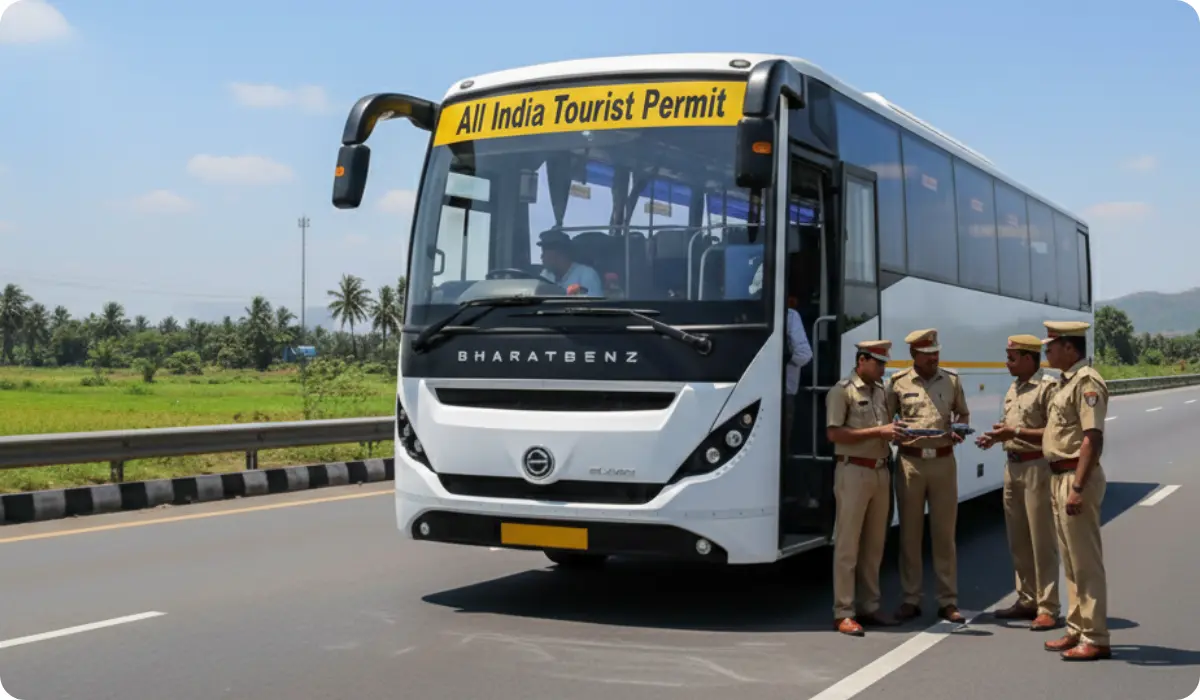
Existing sleeper buses already in operation must:
- Remove driver cabin partitions
- Remove sliding sleeper berths
- Install FDSS within the prescribed timeline
- Ensure fire extinguishers meet specifications
- Rectify layout and emergency exit deficiencies
Failure to upgrade existing buses will invite enforcement action.
Rules for New Sleeper Bus Registration
For new sleeper bus registration, transport authorities have clarified the following conditions.
Approved Body Builders and Documentation
- Bus bodies are valid only if constructed by approved body builders
- Registration approval must be supported by:
- Form 22A / Form 22B
- Valid body builder accreditation at the time of registration
Accreditation validity must be verified during registration and enforcement checks.
Layout Drawings and Emergency Safety Provisions
Every new sleeper bus must have:
- Approved layout drawings
- Emergency exits
- Emergency hatches
- Compliance with prescribed safety dimensions
Any deficiency will result in the denial of registration.
Penalties for Violating New Sleeper Bus Rules
The NHRC has directed state transport departments to take strict legal and administrative action, including:
- Immediate stoppage of non-compliant sleeper buses
- Cancellation of permits and registrations
- Action against:
- Bus operators
- Bus body builders
- Transport officials responsible for negligence
States have also been asked to submit compliance and action-taken reports.
What Bus Operators Should Do Now
To comply with the new sleeper bus rules, operators should immediately:
- Conduct a safety audit of all sleeper buses
- Verify AIS-052 and AIS-119 compliance
- Remove driver cabin partitions and sliding berths
- Install FDSS and verify fire safety equipment
- Check body builder approvals and documentation
- Rectify layout and emergency exit issues
Proactive compliance will help operators avoid service disruptions and legal action.
Catch the latest Bus Industry updates, Exclusive Interviews, Bus News, and International Bus News on Coach Builders India. Download the latest issue of the The Bus Insider magazine for more insights.