Rising Aluminium Prices Put India’s Bus Industry Under Pressure: Mohit Garg, INALCO

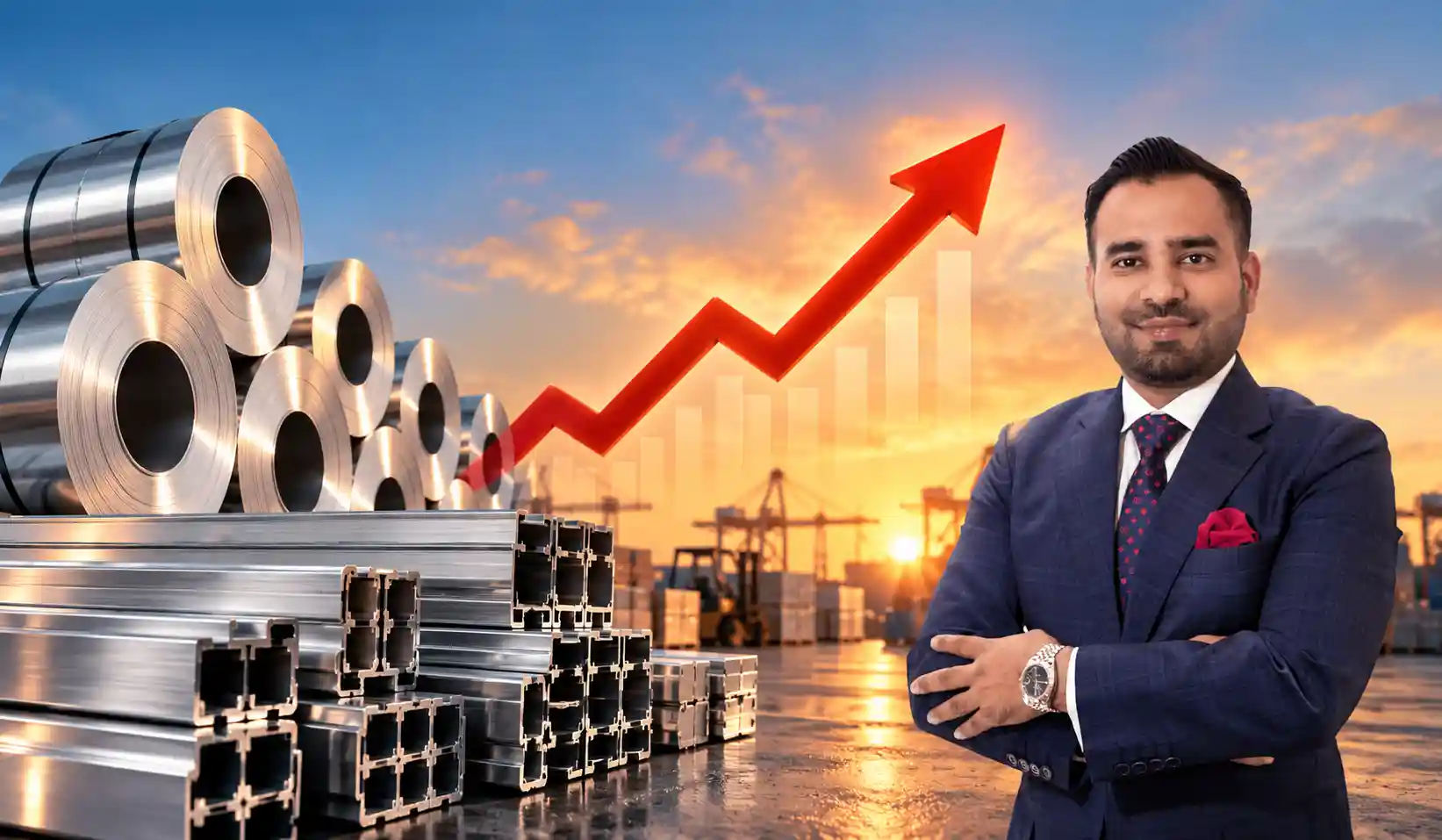
Global aluminium prices have crossed USD 3,600 per tonne, adding another layer of cost pressure to India’s bus and coach manufacturing industry. For manufacturers already operating in a price-sensitive market, the increase raises concerns around procurement, production costs, pricing commitments and profitability.
Since February 2026, aluminium prices on the London Metal Exchange (LME) have risen sharply, touching multi-year highs. Tight global inventories, elevated energy costs, geopolitical tensions in the Middle East and production constraints across major aluminium-producing regions have contributed to the rally. Sustained demand from infrastructure, transportation, renewable energy and automotive sectors has also supported prices.
While these movements are often discussed in the context of the wider industrial economy, their implications for bus manufacturing deserve closer attention. Aluminium has become an important material in modern bus body construction, particularly where manufacturers prioritise lower weight, corrosion resistance and long operational life.
The challenge is that greater dependence on a globally traded commodity also exposes manufacturers to price volatility.
Why Aluminium Matters to Bus Manufacturing
Aluminium offers several advantages in bus and coach construction. Its lightweight properties can help manufacturers manage vehicle weight, while its corrosion resistance and durability make it relevant to applications requiring long service life.
Across premium coaches and long-distance applications, manufacturers continue to use aluminium to support efficiency, durability and overall vehicle performance.
However, the economics of using the material depend partly on the price at which it can be procured. When global aluminium prices rise sharply, the effect can extend beyond the material bill to influence production planning, quotations and the commercial viability of individual projects.
For bus body builders and component suppliers, the challenge is not simply absorbing a higher purchase price. It is managing that increase while maintaining competitive pricing in a market where customers remain sensitive to vehicle acquisition costs.
Price Volatility Creates Pressure Beyond Procurement
One of the biggest challenges associated with rising aluminium prices is the uncertainty they introduce into manufacturing contracts.
Bus body builders and OEM suppliers often finalise quotations well before a vehicle is delivered. During that period, raw material prices can change significantly. If aluminium costs rise after a quotation has been accepted, manufacturers may find it difficult to recover the additional expense.
This creates a mismatch between the price committed to the customer and the actual cost of production.
The resulting pressure can affect margins and working capital, particularly when manufacturers must procure materials at higher prices to fulfil existing orders.
Frequent price fluctuations also make inventory planning more complicated. Purchasing too early can increase the amount of capital tied up in raw materials, while delaying procurement can expose manufacturers to further increases and potential uncertainty around project costs.
For an industry operating under tight commercial constraints, predictability in material pricing is therefore becoming increasingly important.
Could Bus and Coach Prices Rise?
If elevated aluminium prices persist, manufacturers may have to reassess product pricing to reflect the changing cost structure.
The potential impact could be more pronounced in premium coaches and fully built buses, where aluminium usage is relatively higher. However, the extent of any price revision will depend on individual vehicle designs, material requirements, procurement arrangements and the ability of manufacturers to absorb additional costs.
The implications could extend to operators as well.
Fleet owners already face pressure from operating expenses, including the recent sharp increase in diesel prices highlighted in the current market context. If higher raw material costs translate into more expensive vehicles, operators could face another consideration when planning fleet expansion or replacing older buses.
A sustained increase in acquisition costs could influence purchasing decisions, replacement cycles and the pace at which operators invest in new vehicles. These remain potential outcomes rather than inevitable consequences, but they illustrate how commodity prices can influence decisions well beyond the manufacturing plant.
The Outlook for Aluminium Prices
For now, uncertainty remains around the direction of global aluminium prices. Their movement over the coming months will depend on developments in energy markets, geopolitical conditions and production recovery across key regions.
A stabilisation in prices would give manufacturers greater visibility when planning procurement and negotiating contracts. Continued volatility, on the other hand, could make cost management more difficult across the bus manufacturing value chain.
For body builders and component suppliers, the challenge will be to manage raw material exposure while maintaining product quality, competitive pricing and reliable delivery commitments.
Material Economics Will Shape the Next Phase
The aluminium price surge highlights a broader issue for India’s bus and coach industry: manufacturing competitiveness depends not only on engineering capabilities and product quality, but also on the economics of the materials used.
As aluminium becomes increasingly important in selected bus manufacturing applications, price movements will have a greater bearing on procurement strategies, commercial agreements and investment decisions.
The industry may not be able to control global commodity markets, but it can improve how it responds to them through more disciplined procurement, better cost visibility and closer coordination between manufacturers, suppliers and customers.
Ultimately, the question is not just how high aluminium prices will climb. It is how effectively India’s bus manufacturing ecosystem can manage material volatility without compromising competitiveness or slowing the development of better vehicles.
Catch the latest Bus Industry updates, Exclusive Interviews, Bus News, and International Bus News on Coach Builders India. Download the latest issue of the The Bus Insider magazine for more insights.