INALCO’s Mohit Garg Explains Why India Needs a Deeper Investigation Into Bus Fires


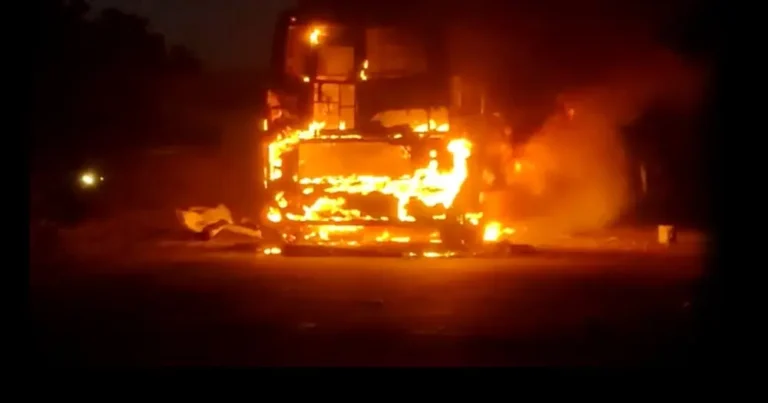
India’s bus fire incidents raise a difficult question for the industry: if safety compliance is improving and enforcement is tightening, why do fires continue to occur?
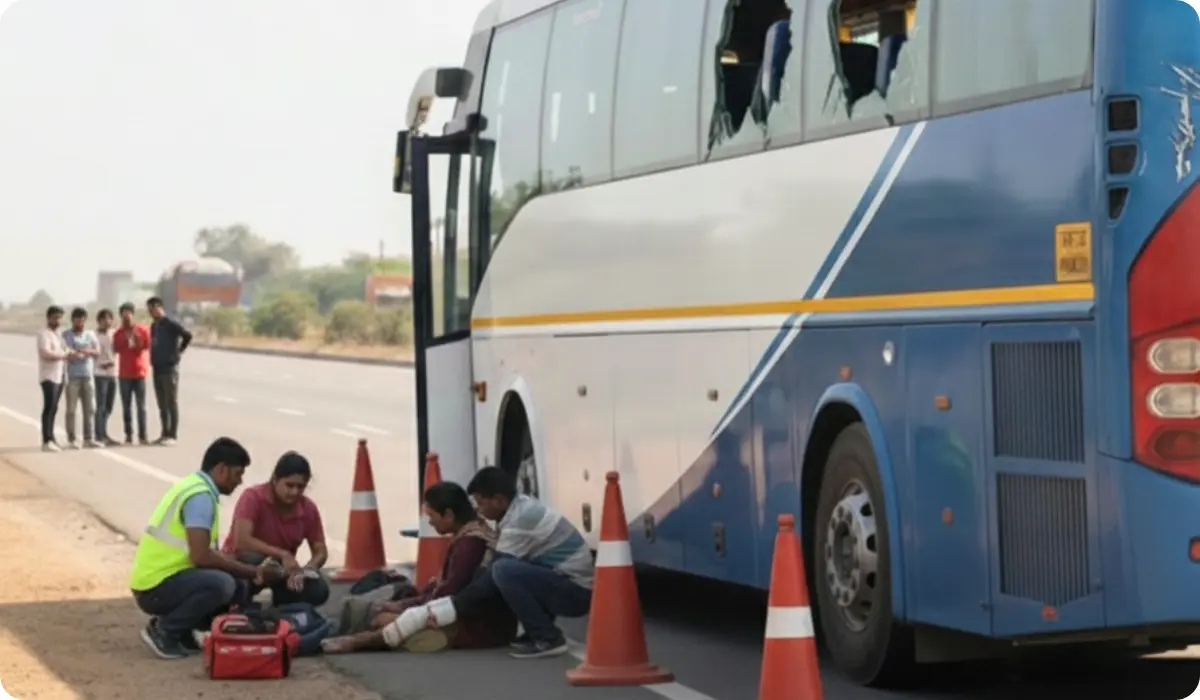
Over the past six to seven months, recurring bus fire incidents have intensified concerns about passenger safety. The issue can no longer be approached solely through individual investigations, regulatory amendments or action against visible violations. The industry needs to understand why these fires start, how they spread and whether recurring technical failures are going undetected.
From Compliance to a Deeper Safety Question
The Jaisalmer and Kurnool incidents brought several concerns into focus, including unauthorised modifications, flammable materials and compromised emergency exits. Regulatory responses followed, including strengthened AIS 153 requirements and tighter enforcement.
Yet the problem has persisted. Fires involving standard seater buses from established manufacturers have also raised questions about whether the industry’s current approach adequately addresses the full range of fire risks.
This does not diminish the importance of compliance. AIS 153 and other safety requirements remain essential. But compliance alone cannot establish the cause of every fire or explain why similar incidents may occur across different vehicle types and operating conditions.
The industry must now look beyond whether a bus meets prescribed requirements and examine how its systems perform under real-world conditions.
The Missing Link: Fire Origin Analysis
The critical distinction is between where a fire begins and how it spreads.
Electrical wiring, HVAC systems, fuel-related components and thermal stress are among the areas that may warrant investigation. However, without systematic forensic evidence, it is difficult to determine whether any of these factors are responsible for a particular incident or whether multiple failures are interacting.
Treating each fire as an isolated event risks losing valuable technical information. Investigators need to document the point of origin, identify the ignition source where possible, examine fire propagation and record the vehicle’s condition, maintenance history and relevant modifications.
Such evidence can help distinguish the initiating failure from the factors that turn a localised fire into a major safety incident.
Why India Needs a National Investigation Framework
A fragmented, case-by-case approach cannot easily identify patterns across manufacturers, fleets and geographies. As industry leaders, including Shivakumar V, have suggested, India needs a centralised, pan-India framework for independent, technical and evidence-based bus fire investigations.
A national framework could support a common incident database, consistent investigation protocols and the identification of recurring failure patterns. It could also help OEMs and bus body builders make evidence-led design improvements, while enabling regulators to develop more targeted interventions and operators to strengthen maintenance practices.
Building Safety Through Evidence
India’s bus industry has demonstrated its ability to respond to regulatory change. The next step is to complement compliance with deeper technical understanding.
Institutionalised forensic investigations and a national database would allow every major incident to contribute to a wider body of safety knowledge.
The objective should not be to assign blame before the evidence is established, but to identify the causes, understand the failures and prevent their recurrence.
The industry has made progress in addressing visible safety gaps. It must now investigate the risks that compliance checks alone may not reveal. Passenger safety depends not just on meeting standards, but on understanding what happens when those safeguards are put to the test.
Catch the latest Bus Industry updates, Exclusive Interviews, Bus News, and International Bus News on Coach Builders India. Download the latest issue of the The Bus Insider magazine for more insights.