Sitaram Jangid Charts Shivam Coach Builders’ Shift From Bus Bodies to Modern Coach Manufacturing

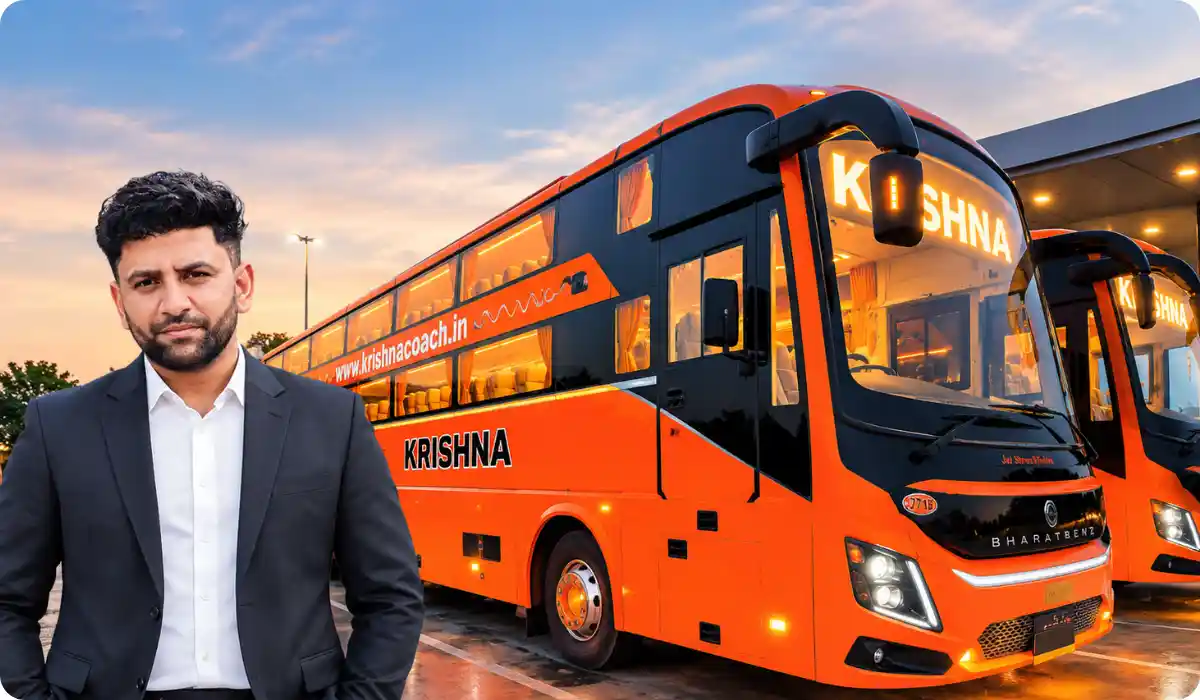
For Sitaram Jangid, Managing Director, Shivam Coach Builders, joining the family business in 2018 was about more than taking forward an established name. It was an opportunity to change how Shivam Coach Builders approached bus manufacturing – from the plant and machinery it used to the way it looked at engineering, safety and passenger expectations.
Since then, the Ahmedabad-based company has been steadily moving beyond traditional bus body building, investing in better production capabilities while preparing for an industry where compliance and product expectations are becoming increasingly demanding.
That transition is taking place against a wider shift in India’s bus industry. Operators are asking for more sophisticated coaches, passengers expect greater comfort and onboard facilities, and safety requirements are becoming an increasingly important part of the manufacturing process.
For smaller and mid-sized body builders, keeping pace with these changes also means taking on greater engineering and certification requirements.
From Traditional Body Building to Modern Coach Manufacturing
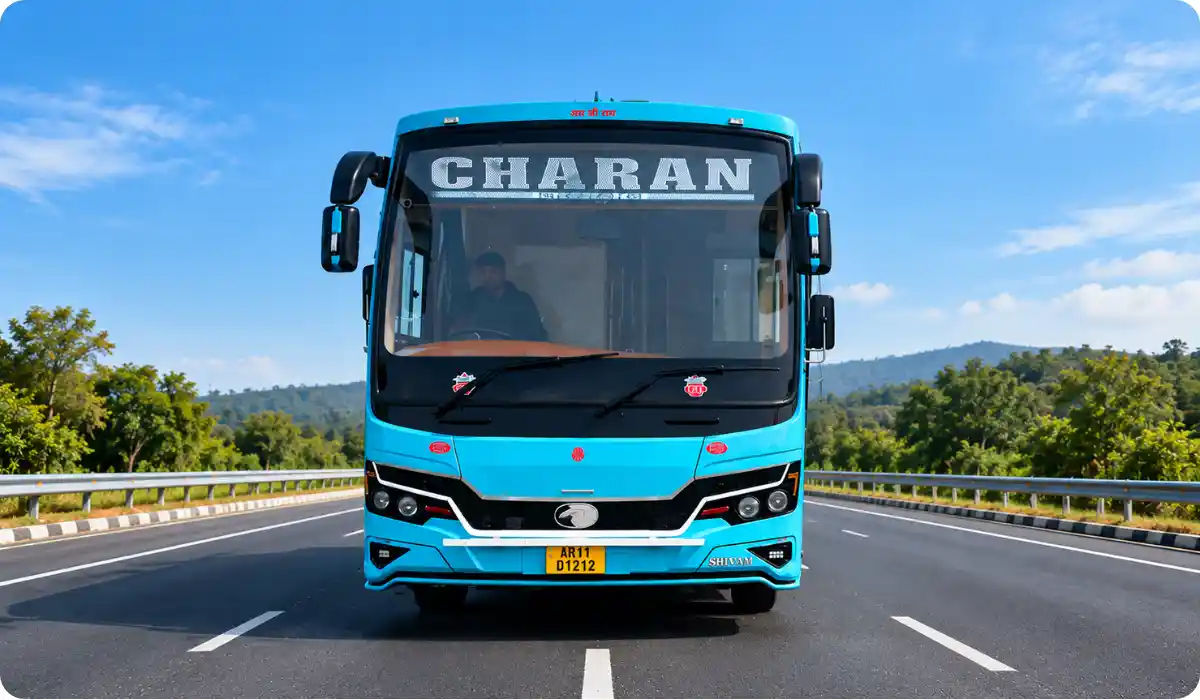
Shivam Coach Builders traces its roots to 1996, when Om Prakash Jangid and Gopal Jangid started Shivam Motor Body Builders. The business began as a traditional bus body-building operation and has gradually evolved with the changing requirements of the market.
The next phase began when Sitaram Jangid joined the business in May 2018 after completing his engineering studies.
“I joined the business in May 2018, and my focus from the beginning was to upgrade the way we worked. We invested in a new plant, brought in better machinery and started looking at the business from a more structured and technology-driven perspective.”
Sitaram Jangid, Managing Director, Shivam Coach Builders
Today, Shivam Coach Builders operates from a 2.5-bigha facility with machinery and capabilities covering body structures, panelling and interior work. The company has an annual production capacity of around 150–200 vehicles.
Sleeper coaches remain at the centre of its business, although the portfolio also includes luxury seater buses and modified vans. Its coaches operate across several parts of the country, including Gujarat, Delhi, Madhya Pradesh, Maharashtra, Andhra Pradesh, Bihar, Rajasthan and Ayodhya.
Its customer base includes operators such as Ashok Travels, Abhinandan Travels, Goel Travels, Kabra Travels, Khajuraho Travels, Adinath Travels and Sarkar Upkar Travels, among others.
The Bus Is Becoming More Than a Body
The requirements placed on a coach builder today extend well beyond the basic body structure.
Features such as washrooms, panic buttons, emergency hooters, improved seating, better materials and more sophisticated lighting are increasingly finding their way into intercity coaches. The challenge for body builders is to integrate these features without compromising the fundamentals of safety, durability and cost.
“Passenger expectations have changed significantly. Today, operators are asking for features that were not even considered essential a few years ago. Washrooms are becoming common in sleeper coaches, while panic buttons and emergency hooters are also being demanded.”
Sitaram Jangid
That balancing act is becoming particularly important as operators themselves face pressure to deliver better passenger experiences while managing tightly controlled operating economics.
For Shivam Coach Builders, the response has been to look at materials and construction more closely rather than treating features as standalone additions.
Safety Has to Be Built Into the Coach
Fire safety is one area where the company says its approach has been consistent.
Shivam Coach Builders has been using fire-retardant materials from the beginning, including in wiring, PU, cloth and resin. But the emphasis is increasingly shifting from simply having a particular material to evaluating how that material performs over the long term.
This is part of a larger change in the way coach manufacturing is being approached. Safety is no longer limited to the chassis or a handful of individual components. It has to be considered across the structure, electrical systems, materials, emergency systems and the overall vehicle design.
For a body builder, that requires greater engineering involvement and a more systematic production process.
AIS 153 Raises the Engineering Bar
Certification is becoming another major part of that transition.
Shivam Coach Builders has applied for AIS 153 certification, with certification work progressing across both seater and sleeper applications. The company also wants its buses to comply with AIS 119, AIS 153, AIS 052 and applicable government requirements.
“We want our buses to be built according to AIS 119, AIS 153 and AIS 052 and to follow the government requirements properly. But for a smaller body builder, certification also brings a major increase in engineering, testing and production costs,” Jangid says.
Jangid estimates that a bus which previously cost around ₹60–65 lakh can become significantly more expensive once the additional requirements associated with compliance, testing and engineering are factored in. For operators working with tight margins, even an increase of a few lakh rupees can have a meaningful impact on the economics of a vehicle.
This creates a difficult equation for smaller body builders. They need to invest in engineering, equipment and certification to remain competitive, while also working in a market where customers remain highly conscious of the final cost of the bus.
The Next Target Is Scale
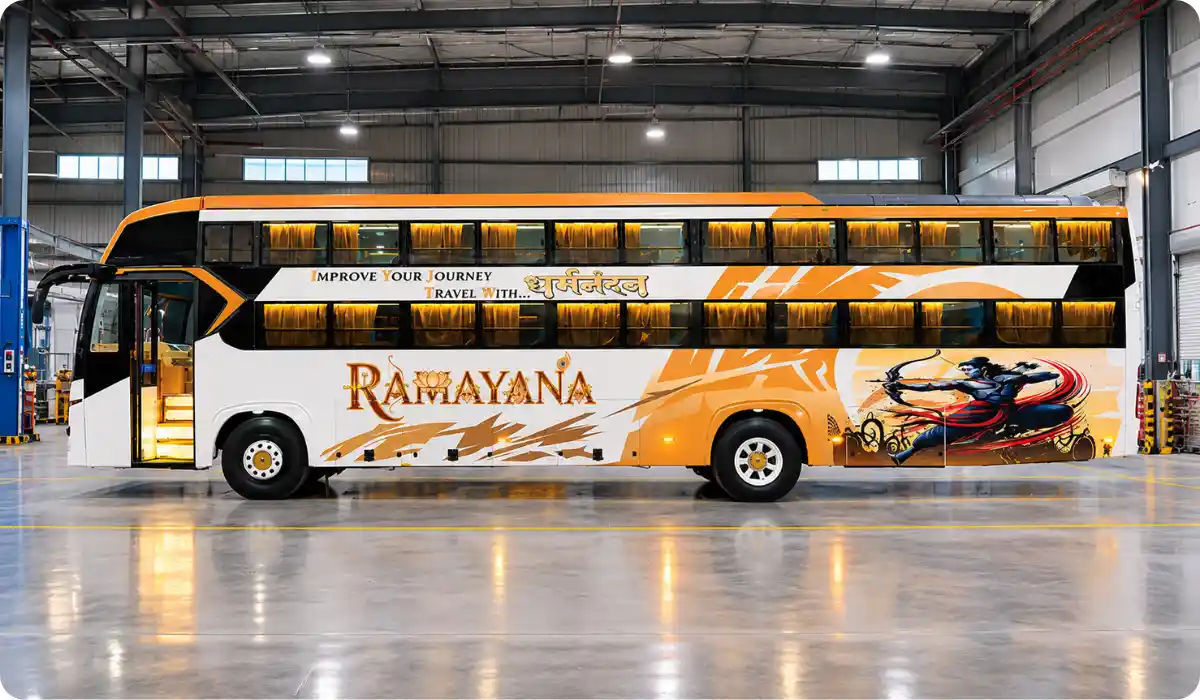
For Jangid, the answer lies in building a stronger manufacturing base rather than simply increasing the number of buses produced.
The company’s next ambition is to double production capacity while strengthening its workforce and capabilities. The larger objective is to establish Shivam Coach Builders as a recognised name in India’s coach-building industry.
That puts the company in a competitive space alongside established players such as MG, Veera and Satrunjay — names that Jangid sees as representing the scale and recognition Shivam ultimately wants to achieve.
The journey from a traditional body-building operation to a more structured coach manufacturer is therefore still underway.
But the direction is clear. Shivam Coach Builders is investing in the systems, machinery, engineering and compliance capabilities required to compete in a market where building a bus increasingly means much more than building its body.
For Sitaram Jangid, that is the next chapter of the business: not simply producing more coaches, but building a manufacturing operation capable of meeting the standards and expectations of the next generation of Indian buses.
This interview was originally published in the September 2026 issue of our monthly magazine, The Bus Insider.
Catch the latest Bus Industry updates, Exclusive Interviews, Bus News, and International Bus News on Coach Builders India. Download the latest issue of the The Bus Insider magazine for more insights.