Strengthening Bus Safety in India is A Systemic Responsibility Says Dr. Harish Sabharwal of AIMTC

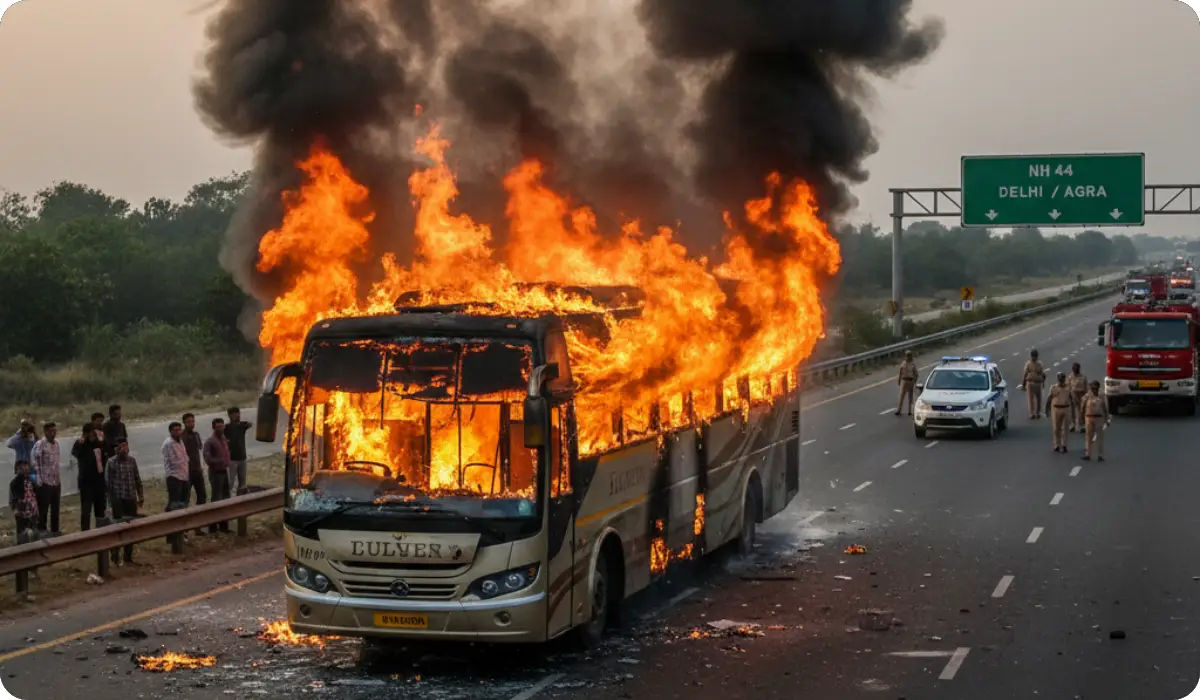
India has witnessed a concerning rise in bus fire incidents and fatal accidents in recent months, bringing passenger safety back into national focus.
These tragedies highlight critical questions around construction practices, regulatory enforcement, operational discipline, and stakeholder accountability across the transport ecosystem.
The recurring nature of these incidents reveals systemic gaps rather than isolated failures. Addressing them requires coordinated and long-term structural reforms rather than reactive measures after accidents occur.
The Challenge of Non-Compliant Bus Construction
A significant number of private buses in India continue to be constructed or modified by unauthorised or non-standard bus body builders. Cost pressures, limited awareness, and weak enforcement mechanisms contribute to this unsafe practice.
Non-compliant construction often leads to the use of flammable or low-grade materials, unsafe electrical wiring, deviations from structural safety standards, poorly designed emergency exits, and compromised vehicle stability. These shortcomings significantly increase risks for passengers and other road users.
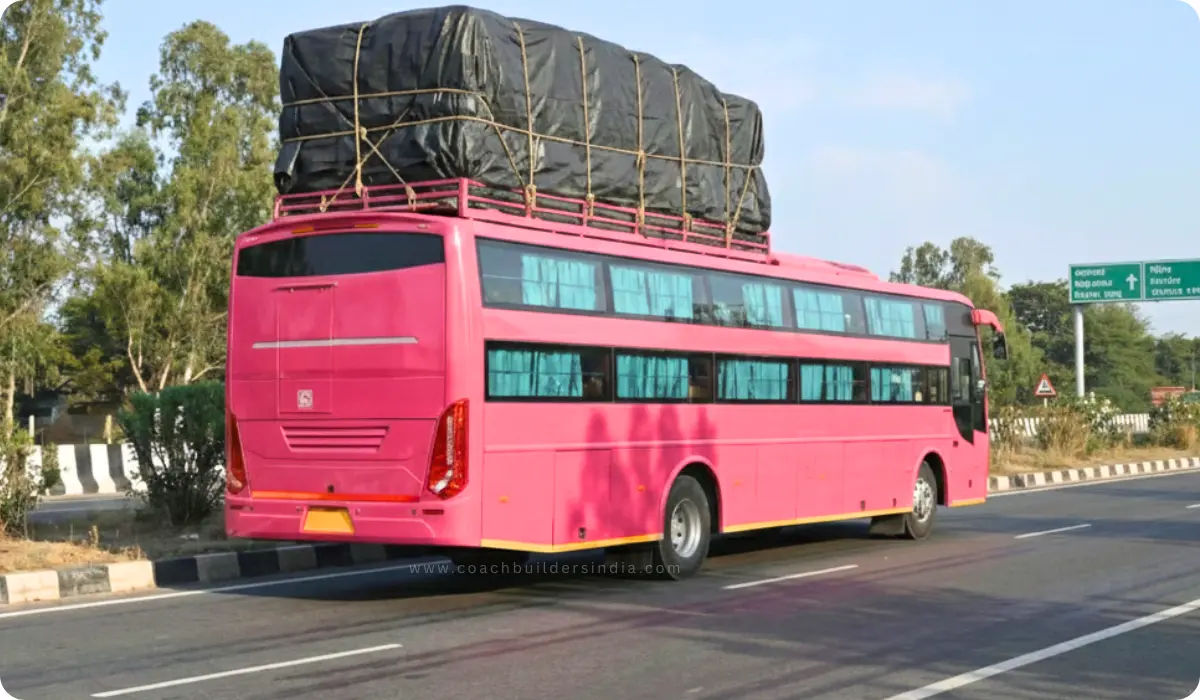
Another growing concern is the misuse of passenger buses for unauthorised cargo transportation. Carrying heavy or flammable goods inside the cabin, under the bus, or on rooftops alters vehicle balance and increases the likelihood of rollovers, brake failures, and severe accidents.
Despite strict bus body codes under AIS-153 issued by the Ministry of Road Transport and Highways (MoRTH), enforcement remains inconsistent across states, allowing unsafe buses to continue operating.
2025 Year-Ender: The Highs, Lows, and Turning Points of India’s Bus Industry
Understanding the Root Causes of Bus Fires
Recent fire incidents share common and largely preventable causes.
1. Faulty Electrical Systems
Short circuits remain one of the most frequent ignition sources. Low-quality wiring during fabrication, unauthorised installation of high-load accessories, poor insulation, and overloaded circuits often lead to overheating. When insulation fails, electrical sparks can quickly ignite surrounding materials, especially near engine compartments or air-conditioning units.
2. Fuel System Failures
Improper fuel line routing, ageing hoses, and damaged seals can cause fuel leaks. When leaked fuel contacts hot engine components or exhaust systems, it can ignite instantly. Such failures typically arise from poor maintenance practices and delayed component replacements.
3. Overheating and Mechanical Failures
Engine overheating, failing bearings, and brake overheating—particularly on downhill routes—can ignite tyres, lubricants, or hydraulic fluids. These mechanical failures often develop gradually and remain unnoticed until they trigger catastrophic events.
4. Illegal Cargo Carriage
Transporting heavy commercial goods in passenger buses significantly increases fire risk and compromises stability. Cargo stored in sleeper cabins blocks escape routes and accelerates fire spread, highlighting the urgent need for stricter inspections and nationwide bans on cargo in passenger vehicles.
GRD Mirabelle: India’s First Truly Super-Premium Bus Takes Luxury to New Heights
Operator Accountability and Systemic Pressures
Following major accidents, public discourse often places full responsibility on bus operators. While operators are accountable for vehicle fitness and driver behaviour, the issue is far more complex.
Weak regulatory enforcement, intense market competition, and narrow operating margins create environments where safety compromises can occur. Permit misuse is also widespread.
Contract carriage and All India Tourist Permit buses are frequently operated as stage carriage services under strict time pressures, increasing overspeeding and operational risks. Many such vehicles also carry illegal cargo without proper documentation.
Sleeper buses present additional vulnerabilities. Many lack recognised safety standards, carry excessive luggage beneath berths, and receive certification without rigorous inspections. The absence of dedicated sleeper coach standards under AIS-153 remains a major regulatory gap.
Equally concerning is the enforcement failure. Non-compliant buses continue to receive fitness certificates, and unauthorised body builders continue operating with limited monitoring. Addressing safety challenges requires recognising that responsibility is shared across the entire ecosystem.
Bus Fire Safety: The Critical Role of ACP Compliance in Bus Body Building
The Reality of Safety Implementation in India
India has strong and comprehensive safety standards on paper. However, implementation remains a significant challenge. Safety enforcement levels can realistically be assessed at around 4 out of 10.
Common issues include non-compliant buses clearing fitness inspections, insufficient oversight of body builders, unchecked cargo overloading, and inconsistent maintenance monitoring. Strengthening enforcement mechanisms is essential to improving road safety outcomes.
Mandatory third-party fitness audits, certification of bodybuilders, and adoption of modern technologies such as Vehicle Tracking Systems (VTS), Advanced Driver Assistance Systems (ADAS), and driver fatigue monitoring can significantly enhance safety compliance.
Practical Steps Operators Can Implement
While systemic reform is necessary, operators can take immediate steps to strengthen safety standards within their fleets.
1. Strengthening Driver Discipline
Operators should enforce mandatory rest hours, monitor driving behaviour through VTS, conduct defensive driving training, and provide route-specific safety briefings for challenging terrains.
2. Implementing Pre-Trip Inspections
A structured pre-trip checklist covering tyres, brakes, lighting, emergency exits, and fluid levels should be mandatory before every journey. Drivers and maintenance staff must formally sign off on these inspections.
3. Ensuring Construction and Material Compliance
Operators should procure buses only from certified body builders, use flame-retardant materials, and avoid aftermarket modifications that overload electrical systems or compromise structural safety.
4. Installing Fire Safety Systems
Equipping buses with tested fire extinguishers, installing Automatic Fire Detection and Suppression Systems (AFDSS), and training staff in emergency evacuation procedures can significantly reduce accident severity and improve passenger survival outcomes.
MD Yash Sharma Reflects on The Damodar Story of Legacy, Design, and Reinvention
The Road Ahead: A Shared Responsibility
India’s bus safety challenge cannot be resolved by blaming any single stakeholder. Operators, bus body builders, regulators, OEMs, RTOs, and enforcement agencies must work collectively to strengthen compliance, improve monitoring, and promote safety awareness.
The objective must remain clear and uncompromising: ensuring safe buses, safer roads, and reliable travel for every passenger. Achieving this goal requires a coordinated, disciplined, and system-driven approach that prioritises safety as a non-negotiable element of public transport operations.
Catch the latest Bus Industry updates, Exclusive Interviews, Bus News, and International Bus News on Coach Builders India. Download the latest issue of the The Bus Insider magazine for more insights.