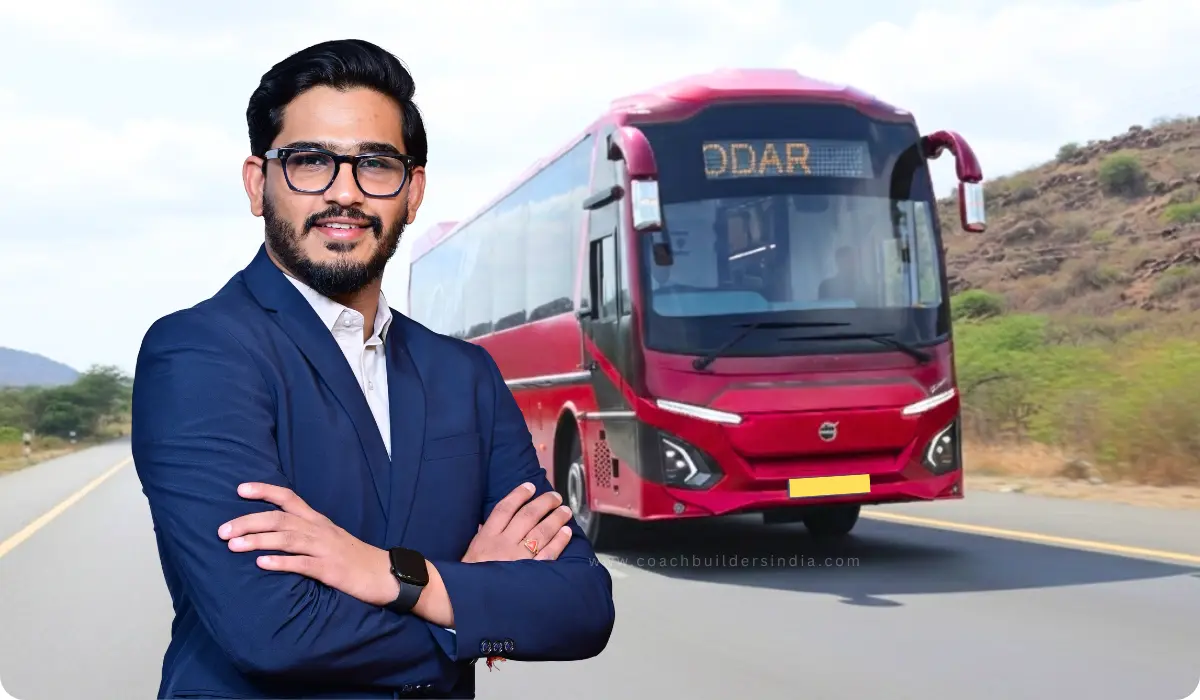
Sahara Coach’s Owner Najruddin Mujawar on Achieving AIS 153 Certification

In an exclusive interview, Sahara Coach’s owner, Najruddin Mujawar, discusses the company’s AIS 153 certification journey and the future of safety-driven bus body building in India.
.webp?updatedAt=1770303134959 "Sahara Coach's Owner Najruddin Mujawar on Achieving AIS 153 Certification")
Sahara Coach has joined the select group of bus body builders in India to secure the mandatory AIS 153 certification, marking a significant milestone as the industry moves toward stricter safety and regulatory standards.
The achievement highlights the company’s growing focus on design excellence, structural safety, and passenger comfort.
Over the years, Sahara Coach has built a strong reputation among fleet operators through its emphasis on innovation, reliability, and modern passenger-centric designs.
Its flagship models, such as Meraki, Dexter, and Skylar, have gained popularity for their aerodynamic styling, thoughtfully designed interiors, and appeal to younger travellers.
In this exclusive interview, Najruddin Mujawar, Owner and Head of Marketing, shares insights into Sahara Coach’s journey toward AIS 153 certification, the challenges involved, and the company’s outlook on the evolving Indian bus body-building landscape.
2025 Year-Ender: The Highs, Lows, and Turning Points of India’s Bus Industry
Could you briefly outline the company’s background, core bus segments you cater to, and current manufacturing capabilities?
Sahara Coach was established in 2015 to build safe, reliable, and high-quality buses while continuously upgrading its manufacturing practices.
We focus on luxury sleeper and seater buses, along with mobile medical units and other special-purpose vehicles.
At present, our manufacturing facility spans 3.5 acres and is supported by a workforce of around 120 employees. Currently, Sahara Coach has an annual production capacity of approximately 300 buses.
How has Sahara Coach evolved over the years in terms of scale, technology, and the customers you serve?
Sahara Coach began with a management team bringing over 25 years of experience in bus body building. Starting with an annual production of 60 buses, we have expanded our capacity to 300 buses per year over the last five years.
We are also a certified Bharat Benz bus body builder, underlining our commitment to quality and regulatory compliance. We have strengthened credibility through continuous investment in R&D, design capabilities, and skilled manpower.
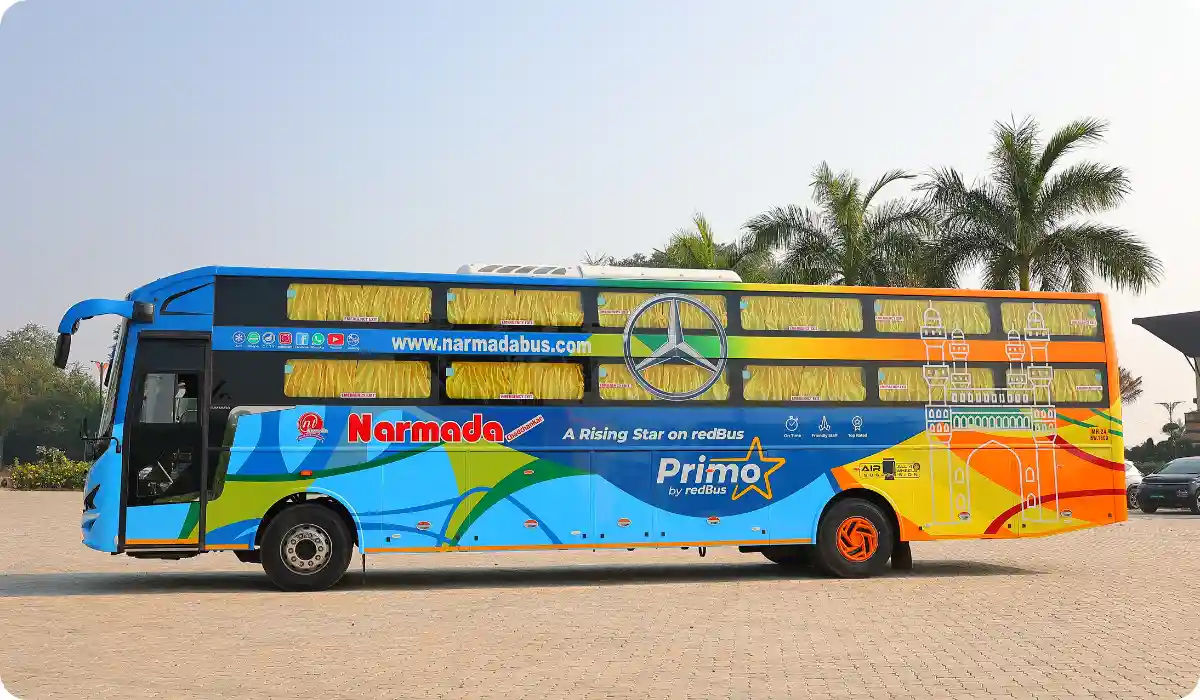
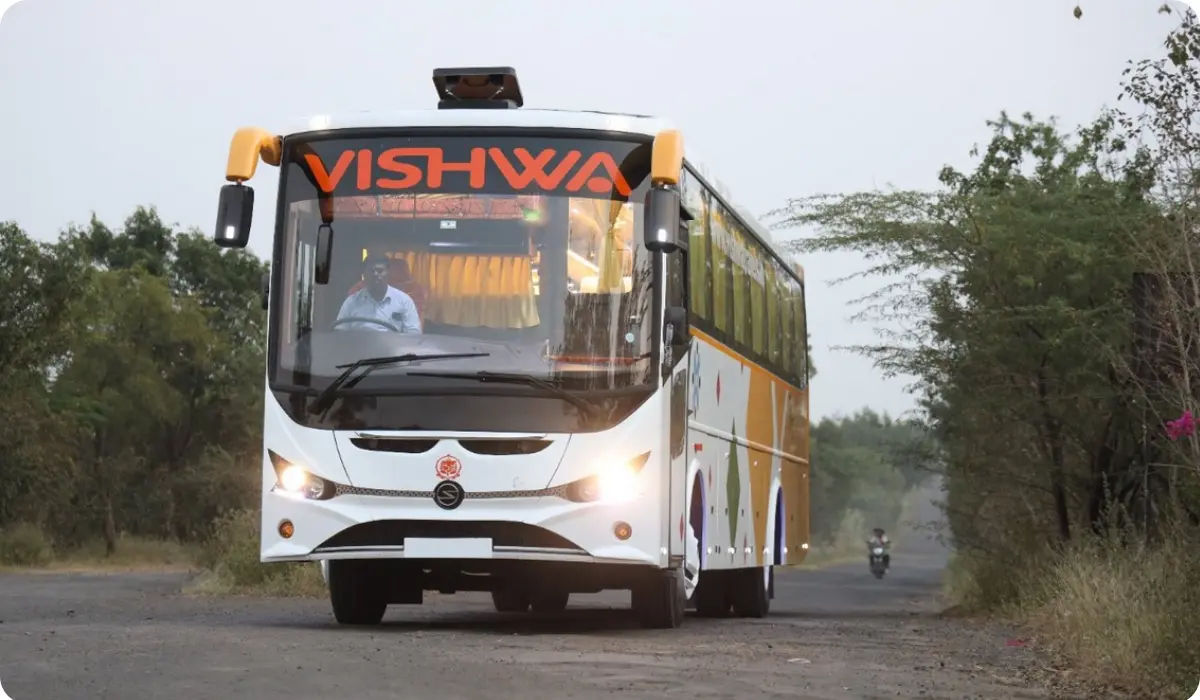
Today, Sahara Coach serves reputed fleet operators such as Mohan Travels, Narmada Travels, Vishwa Travels, and Intercity Fleet Management System, Bengaluru. Collectively, our buses have covered over 10 lakh kilometres, demonstrating their operational reliability.
Could you tell us about your latest bus models or design innovations? What makes them stand out?
Sahara Coach’s flagship models, such as Meraki, Dexter, and Skylar, showcase the company’s indigenous design and engineering capabilities.
These models are widely recognised for their distinctive aesthetics and aerodynamic efficiency.
Our buses are particularly popular among younger travellers due to their well-planned interiors that blend comfort, functionality, and modern styling.
Our current focus is on passenger experience, combined with practical design elements, which help these models stand out in the premium bus segment.
Congratulations on achieving the AIS 153 certification. Could you tell us which bus models and layout types are now covered under this certification?
Sahara Coach recently received AIS 153 certification from CIRT for its 13.5-meter seater and sleeper bus configurations.
Our certified layouts include seater buses ranging from 40 to 50 seats and sleeper buses with 30 to 36 berths, including options equipped with onboard toilets.
The certification underscores Sahara Coach’s commitment to meeting stringent safety and quality standards while delivering reliable and compliant bus solutions to fleet operators.
New Sleeper Bus Rules in India: Mandatory Safety Norms, Deadlines, and Compliance
Could you guide us through the process of achieving certification, from preparation to final approval?
Drawing on over 25 years of industry experience, Sahara Coach aligned its existing design and manufacturing practices with the updated AIS 153 safety requirements.
Our process began with a detailed review of designs and production workflows to identify areas requiring upgrades and validation.
We are highly focused on strict compliance with regulatory guidelines and the use of approved, high-quality materials to meet benchmarks for structural integrity, passenger safety, and reliability.
This disciplined approach not only enabled certification but also strengthened internal quality control processes and reinforced a culture of safety across the organisation.
What were the biggest challenges, technical, financial, or organisational, you faced while working towards AIS 153 compliance?
One of the key challenges was adapting to the introduction of Electronic Stability Control (ESC). As OEMs began offering ESC-equipped chassis, sourcing and securing approval for the correct chassis under AIS 153 added complexity.
Additionally, compliance with AIS 135 standards, including FDSS requirements, introduced further technical challenges.
Coordinating with approved suppliers and ensuring certification compliance across different OEM platforms required significant planning, precise coordination, and rigorous quality checks throughout the process.
What kinds of investments and mindset shifts should small and mid-sized bus body builders anticipate if they plan to comply with AIS 153?
AIS 153 certification involves a significant financial investment, which can be challenging for small and mid-sized bus body builders.
Beyond costs, compliance demands a strong shift toward structured processes, strict adherence to regulatory guidelines, and the use of approved materials.
Builders may need to upgrade design practices, strengthen quality control systems, and invest in workforce training.
Overall, the certification process increases the cost of bus manufacturing, making careful planning and efficient resource allocation crucial for smaller players aiming to remain competitive.
Bus Safety Requires Collaborative Ecosystem Approach, Says MG Group’s Sivakumar V
Do you believe AIS 153 will lead to consolidation in the industry, and how will it impact traditional bus body builders?
Stricter inspections and compliance requirements under AIS 153 are expected to improve overall safety, performance, and passenger experience.
However, these standards could create challenges for smaller bodybuilders, many of whom may struggle to sustain operations without institutional or industry support.
OEMs are likely to play a crucial role in this transition. Stage-wise inspections during body building, as practised by Bharat Benz, help detect issues early and ensure better quality.
Wider adoption of such structured approval processes by other OEMs could strengthen compliance and support the delivery of safer, high-quality buses.
.webp "Sahara Coach's Owner Najruddin Mujawar on Achieving AIS 153 Certification")
What major trends do you see emerging in the Indian bus industry, and how is Sahara Coach positioning itself to stay ahead?
The Indian bus industry is expected to see an increasing focus on safety and passenger comfort, along with a gradual shift toward electric mobility and potential adoption of hydrogen-powered buses.
Sahara Coach is preparing for this transition by aligning its R&D efforts with emerging powertrain technologies while continuing to strengthen its indigenous fabrication capabilities.
The company aims to ensure its buses meet evolving regulatory and market demands while delivering superior value and experience for operators and passengers.
Catch the latest Bus Industry updates, Exclusive Interviews, Bus News, and International Bus News on Coach Builders India. Download the latest issue of the The Bus Insider magazine for more insights.