Karnataka’s New Bus Safety Rules Spark Tension Between Operators and Transport Authorities

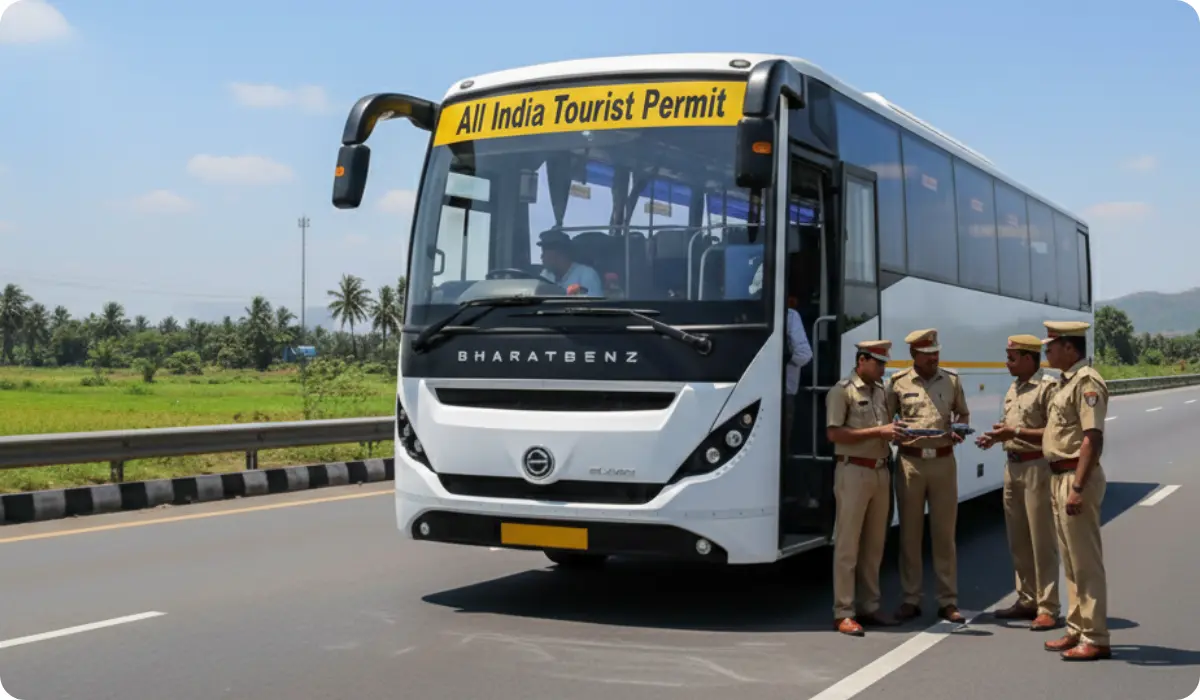
Private bus operators in Karnataka have alleged harassment by the Transport Department as the February 28, 2026, deadline for compliance with new safety regulations approaches.
The state government recently mandated strict structural changes for all private buses following several fatal fire incidents. The mandates include:
- Removal of driver partition doors.
- Removal of sleeper berth sliders.
- Fire Detection and Suppression Systems (FDSS) installation.
- Minimum 10 kg fire extinguishers (Green Zone).
- Ban on commercial goods transportation.
- Compliance with approved layouts, emergency exits, and safety signage.
Compliance Progress and Challenges
Nataraj Sharma, president of the Federation of Karnataka State Private Transport Associations, stated that most state-registered vehicles have already met the government’s directives.
However, two major hurdles remain for many owners: the installation of Fire Detection and Suppression Systems (FDSS) and the renewal of permits for rooftop luggage carriers.
“We have been given until the 28th to finish, and almost everything else is completed,” Sharma said.
“There is still time for compliance, yet vehicles are being stopped for hours, passengers are inconvenienced, and drivers are under stress.”


Claims of Premature Enforcement
Despite the month-end deadline, operators allege that enforcement officials have already started stopping buses and issuing fines.
Sharma claimed that vehicles are being detained for hours even though they are still within the legal window for compliance. These early crackdowns have caused:
- Passenger Delays: Travelers are being stranded during lengthy roadside inspections.
- Driver Stress: Staff are facing high pressure and fines before the deadline has passed.
Synaty Becomes First Body Builder to Secure AIS 153 For Sleeper Buses in North India
Technical Concerns Over New Rules
Operators are also questioning the practicality of some of the new safety measures.
They labelled the mandatory removal of partition doors in sleeper buses as “unscientific,” arguing that it increases cabin noise and makes air-conditioning less efficient.
The Federation is now calling on the government to form a research committee of technical experts, manufacturers, and bus builders.
They argue that safety rules, such as the placement of emergency exits and roof hatches, should be based on expert consultation to ensure they are actually effective during an accident.
Earlier in January, the Bus & Car Operators Confederation of India (BOCI) submitted a representation to the National Human Rights Commission (NHRC) seeking phased implementation of the new sleeper bus norms.
BOCI expressed strong concerns over the short timeline for mandatory retrofitting of Fire Detection and Suppression Systems (FDSS) and also urged reconsideration of the directive requiring removal of driver–passenger partition doors in sleeper buses.
Bus & Car Operators Confederation of India (BOCI) submitted a representation to the National Human Rights Commission (NHRC)
Catch the latest Bus Industry updates, Exclusive Interviews, Bus News, and International Bus News on Coach Builders India. Download the latest issue of the The Bus Insider magazine for more insights.