Trends Shaping the Future of Public Transport in India in 2026

.webp?updatedAt=1770452171113 "Trends Shaping the Future of Public Transport in India in 2026")
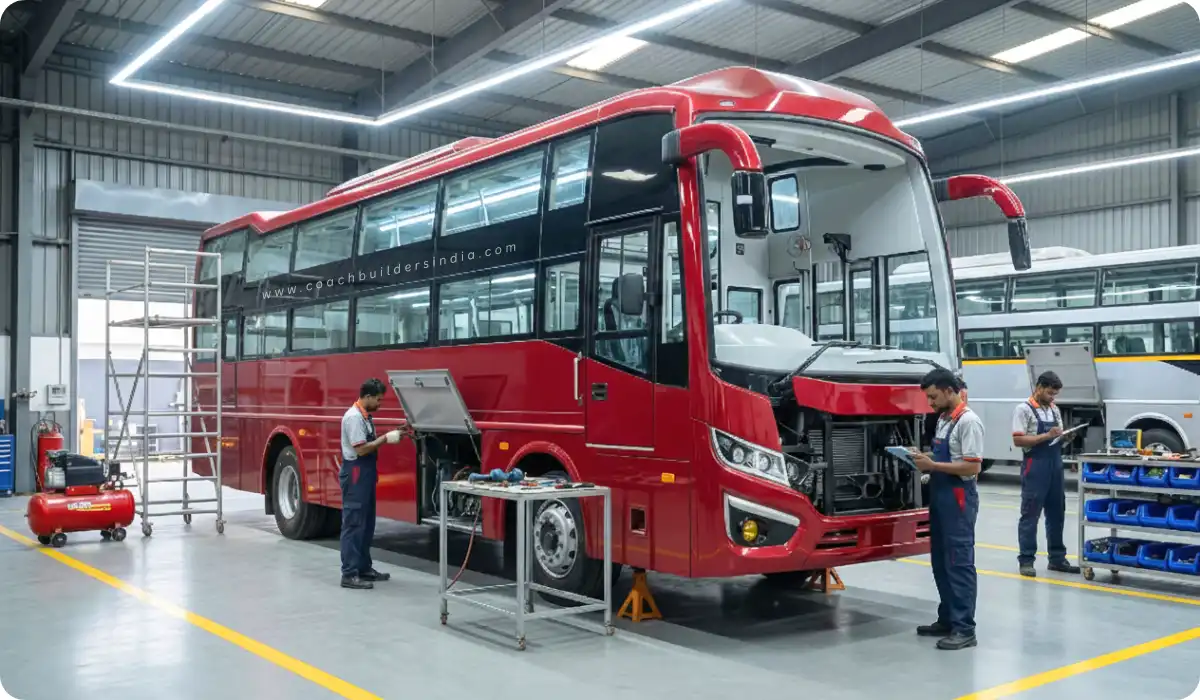
The rapid evolution of the transportation sector in the coming years is not without its complexities. While innovations in electric buses, autonomous transportation, and digital connectivity promise to transform the way we travel, these advancements also come with their own set of challenges.
From ensuring the widespread adoption of green technologies to managing the impact of automation on jobs, the industry must navigate a delicate balance between progress and practicality.
Moreover, rising demand for smarter, more sustainable transportation solutions will require significant investments in infrastructure and policy reforms.
This period of transformation will require collaboration between governments, private companies, and consumers to create solutions that are both innovative and sustainable.
As the industry braces for these shifts, it will need to adapt quickly to stay competitive and meet the ever-changing needs of a global, interconnected economy.
Trends Shaping the Future of Public Transport in India
1. Sustainability and Environmental Pressures
With rising concerns about climate change, the transportation sector must find ways to meet strict environmental regulations. Governments are pushing for a shift towards cleaner energy sources, such as electric and hydrogen-powered vehicles.
However, the transition from fossil fuels to green technologies presents significant challenges, especially when it comes to infrastructure, battery technology, and cost.
“The pressure to reduce emissions is immense, but the transition to zero-emission fleets is both costly and complicated. Building infrastructure, such as charging stations, and ensuring accessibility to these green technologies are obstacles that we must overcome together.”
Surya Khurana, Managing Director of FlixBus
2. Adoption of Emerging Technologies
While technology offers great promise for the transportation industry, adopting and integrating cutting-edge solutions is not without its challenges. From autonomous vehicles to AI-driven route optimization, the pace of technological innovation requires substantial investment in infrastructure, training, and testing.
Moreover, regulatory frameworks for emerging technologies are still evolving, causing uncertainty in long-term planning.
“New technologies like autonomous driving are exciting, but they require not just advanced research but also substantial regulatory support. We are at a stage where both innovation and safety have to be balanced carefully.”
Mahesh Babu, Managing Director, Olectra Greentech
3. Infrastructure Deficiencies
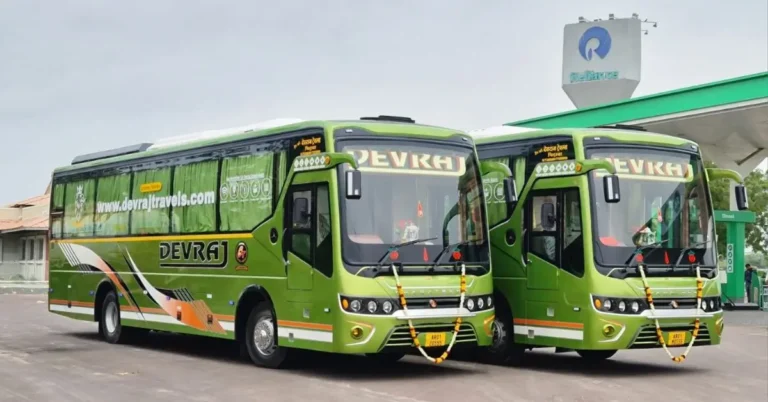
Despite advancements in transportation technology, many regions, particularly in emerging markets like India, still face significant infrastructure gaps.
Overcrowded roads, outdated public transport systems, and insufficient charging infrastructure for electric vehicles are ongoing challenges. In many urban areas, demand for better infrastructure is growing, but funding and political will remain limiting factors.
“India’s infrastructure for electric buses is progressing, but it’s not yet fully ready for large-scale adoption. Urban hubs like Delhi and Bengaluru are pioneering fast-charging depots and electric fleets, but most of the country still lacks shared, reliable intercity charging stations.”
Rohan Dewan, CEO, CO-Founder, LeafyBus
4. Labor and Workforce Issues
.webp?updatedAt=1754997458245 "Trends Shaping the Future of Public Transport in India in 2026")
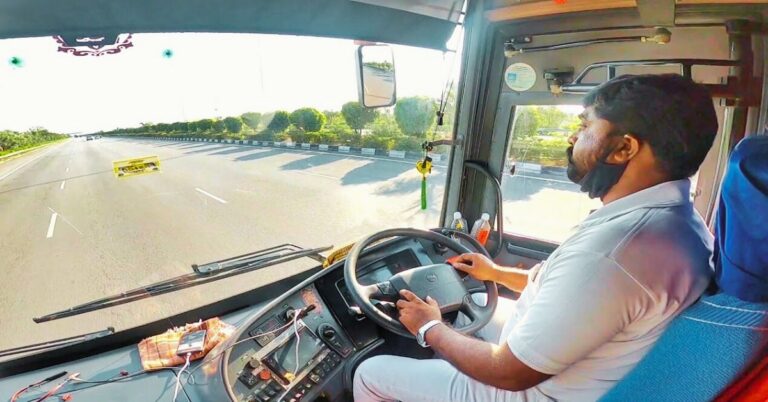
As automation continues to reshape the transportation sector, the workforce will need to adapt to new roles and skill sets. While certain jobs may be displaced by advancements such as autonomous vehicles and AI-driven logistics, there will also be a demand for workers who can manage, maintain, and improve these technologies.
Training programs and reskilling initiatives will be essential to prepare workers for these shifts, ensuring that the transition is smooth and equitable.
Additionally, the industry must consider the social impact of job displacement, addressing concerns through policies that support workforce mobility, income security, and job creation in emerging sectors of transportation.
Balancing technological progress with social responsibility will be critical in maintaining a stable and skilled workforce.
5. Safety and Cybersecurity Concerns
As transportation systems become more interconnected and reliant on digital technology, the risk of cyber threats becomes a growing concern. Autonomous vehicles, electric charging stations, smart traffic management systems, and digital ticketing platforms are all vulnerable to cyberattacks that could disrupt services or compromise sensitive data.
Ensuring the safety of passengers, vehicles, and infrastructure requires continuous investment in robust cybersecurity measures, as well as a comprehensive framework of regulations to protect against evolving threats.
Additionally, as the industry embraces more automated and remote operations, the challenge of securing systems from hacking or malfunctioning becomes even more critical. The need for industry-wide collaboration to address these risks will be paramount in maintaining trust and ensuring the safety of the transportation ecosystem in 2025 and beyond.
Conclusion
The transportation industry in 2026 will face these challenges head-on. By focusing on innovation, sustainability, and collaboration, the sector can continue to evolve while navigating the hurdles that lie ahead.
Addressing these issues will require a balanced approach, integrating technological advancements with strategic planning and investments for a better, more sustainable future.
Catch the latest Bus Industry updates, Exclusive Interviews, Bus News, and International Bus News on Coach Builders India. Download the latest issue of the The Bus Insider magazine for more insights.